
JOURNAL
Separating recovery hypotheses from evidence after botulinum toxin
Separating recovery hypotheses from evidence after botulinum toxin. An edited account of source experience, research context and limitations.
This edited account distinguishes personal experience, laboratory research and clinical studies. Individual suitability requires clinical assessment.
The source brings together eyelid-ptosis cases and brow-ptosis research after botulinum toxin. Dysfunction of the eyelid elevator differs from a change in forehead or brow position; outcomes from different studies cannot be combined into one treatment.
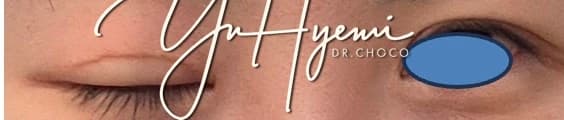
It mentions a Cureus case, a report involving eye drops and an eyelid-area intervention, and bacteriostatic-saline research. These small reports have different patients, methods and outcomes. They do not justify additional toxin or injections for everyone.
Benzyl alcohol’s membrane effects are not presented as established nerve-membrane repair or toxin removal. A later computational study questioned rapid-reversal hypotheses (PMID 41150199). A model also cannot replace a human effectiveness trial, so uncertainty must be retained.
ESWT, hydrodissection and growth-factor combinations mentioned in the source are not described as established ptosis treatments. The orbital region carries injury risks and requires professional assessment of causes, previous procedures and symptoms. Neither a recovery deadline nor restoration of expression is guaranteed.
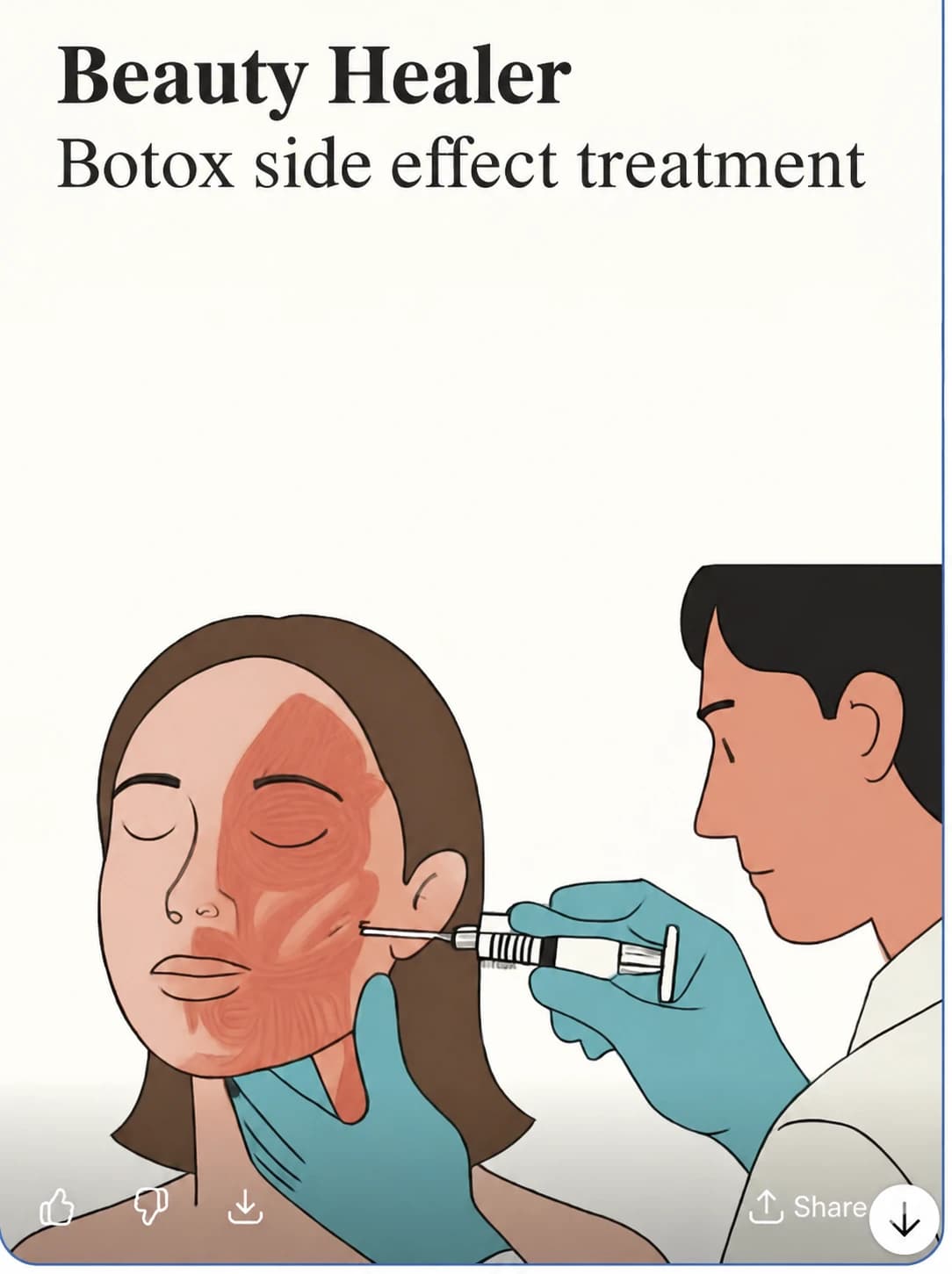
Source: Original post on Dr. Hyemi Yu’s Naver blog (Korean)
The original publication date and the website revision date are shown separately.