
JOURNAL
Understanding CaHA carrier gel and material science
Understanding CaHA carrier gel and material science. An edited account of source experience, research context and limitations.
This edited account distinguishes personal experience, laboratory research and clinical studies. Individual suitability requires clinical assessment.
The source distinguishes CaHA particles and carrier gel to discuss roles over time. Early physical volume and later tissue responses are different outcomes; composition alone does not determine clinical results or safety.
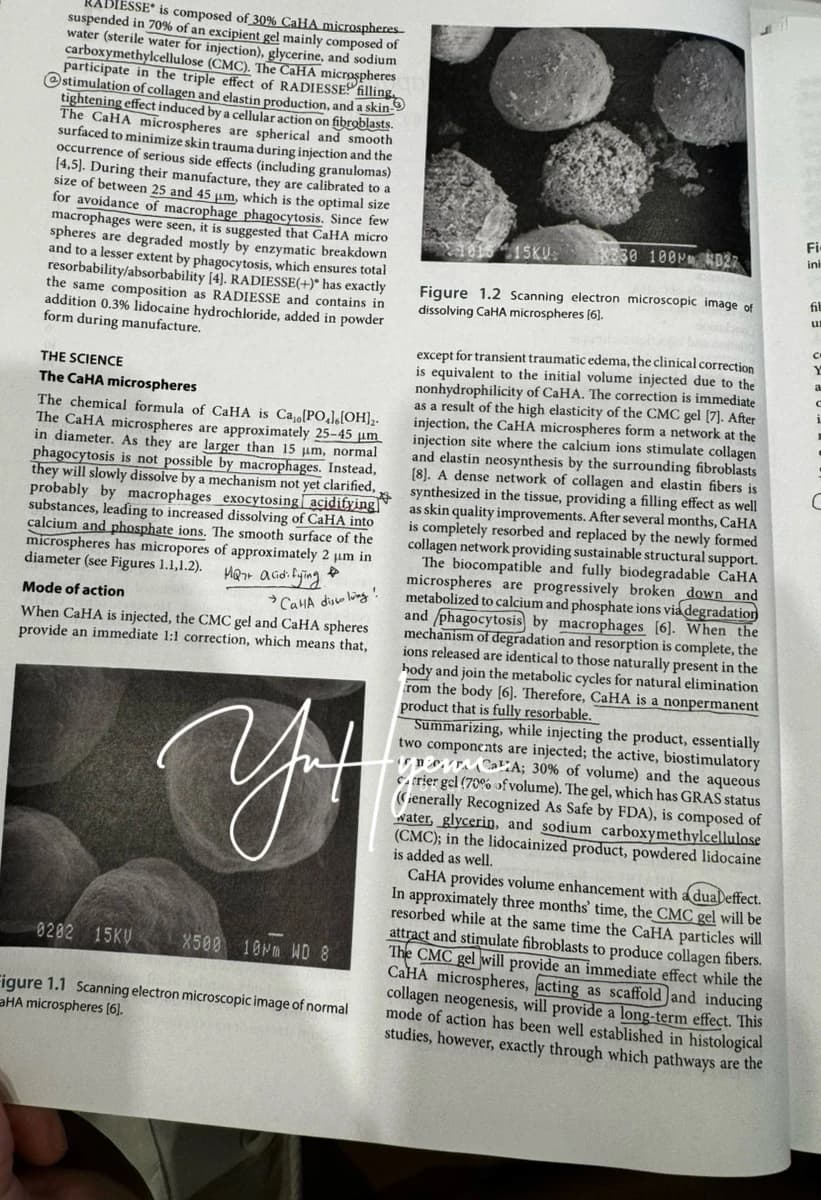
Safety in another use of CMC or a food-related regulatory status cannot establish authorization or absence of risk for an entire injectable product. An ingredient’s use in ophthalmology does not mean a CaHA product may be used in the eye.
Similarity to a mineral in the body does not mean the injectable is harvested from humans or free of allergic, vascular or nodule risks. Particle size and absorption periods also require product- and condition-specific evidence.
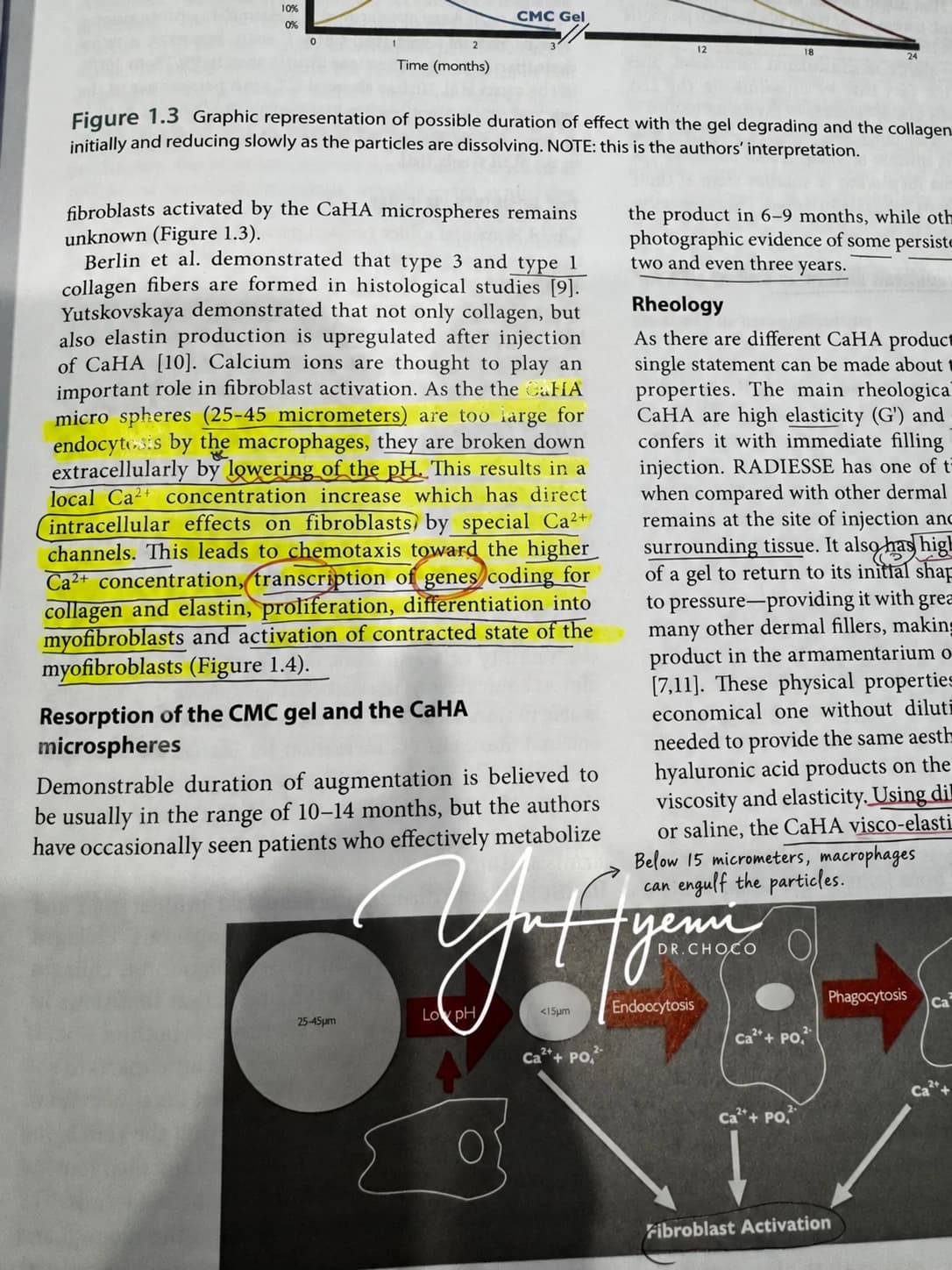
The source links macrophages and acidity with regeneration. A local pH change neither directly establishes clinical improvement nor supports a simple distinction between harmful surface acidity and beneficial deep acidity.
This account separates material-science explanations from clinical claims. Progressively becoming younger and fixed durations are not retained as confirmed expected benefits.
Source: Original post on Dr. Hyemi Yu’s Naver blog (Korean)
The original publication date and the website revision date are shown separately.