
JOURNAL
Improvement percentages and limitations in CaHA research
Improvement percentages and limitations in CaHA research. An edited account of source experience, research context and limitations.
This edited account distinguishes personal experience, laboratory research and clinical studies. Individual suitability requires clinical assessment.
The source discusses dermal thickness, satisfaction and adverse events in a CaHA study described as involving 32 people. It mentions Radiesse alongside another CaHA product; similar composition does not make product-specific clinical outcomes interchangeable.
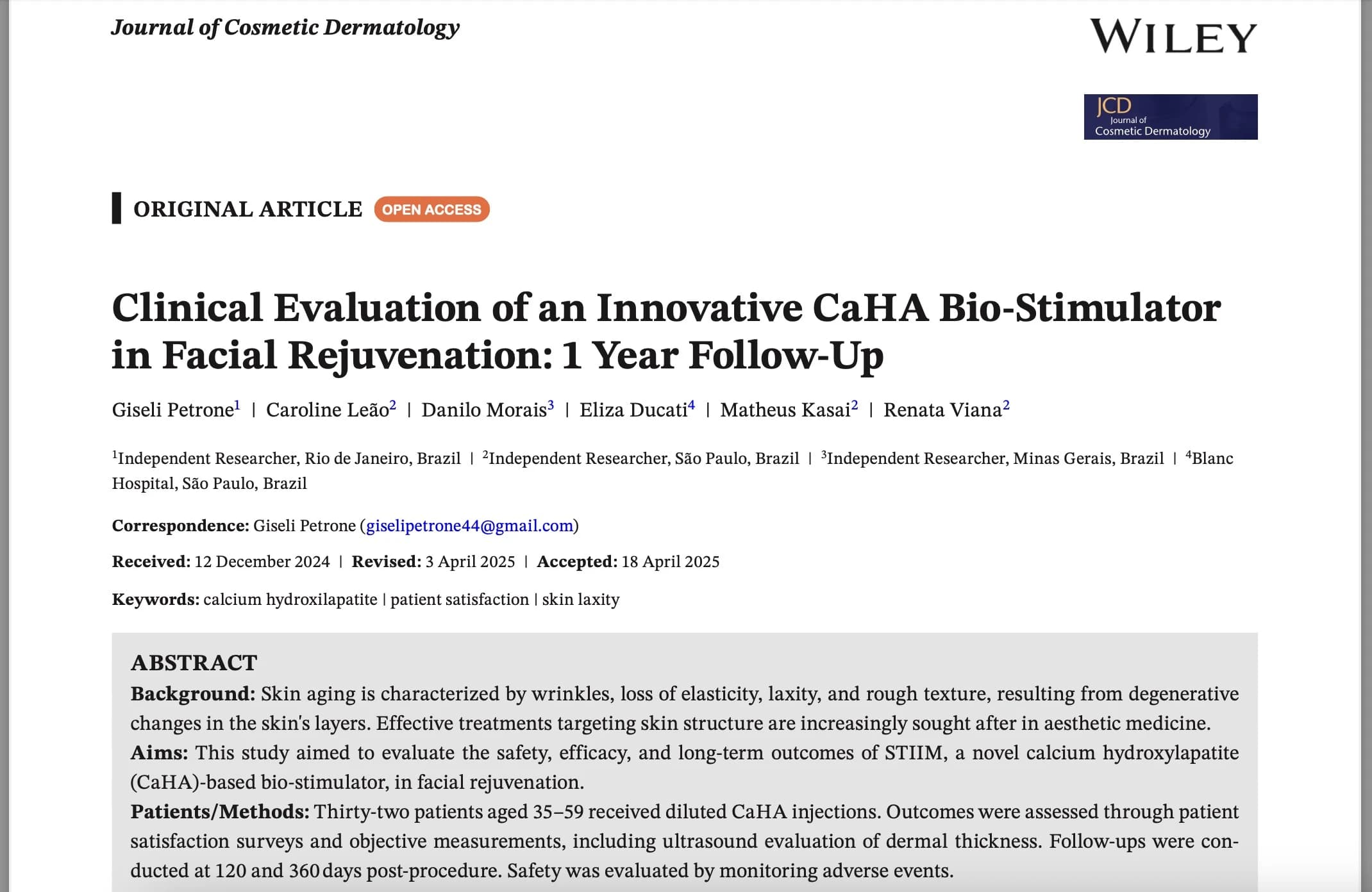
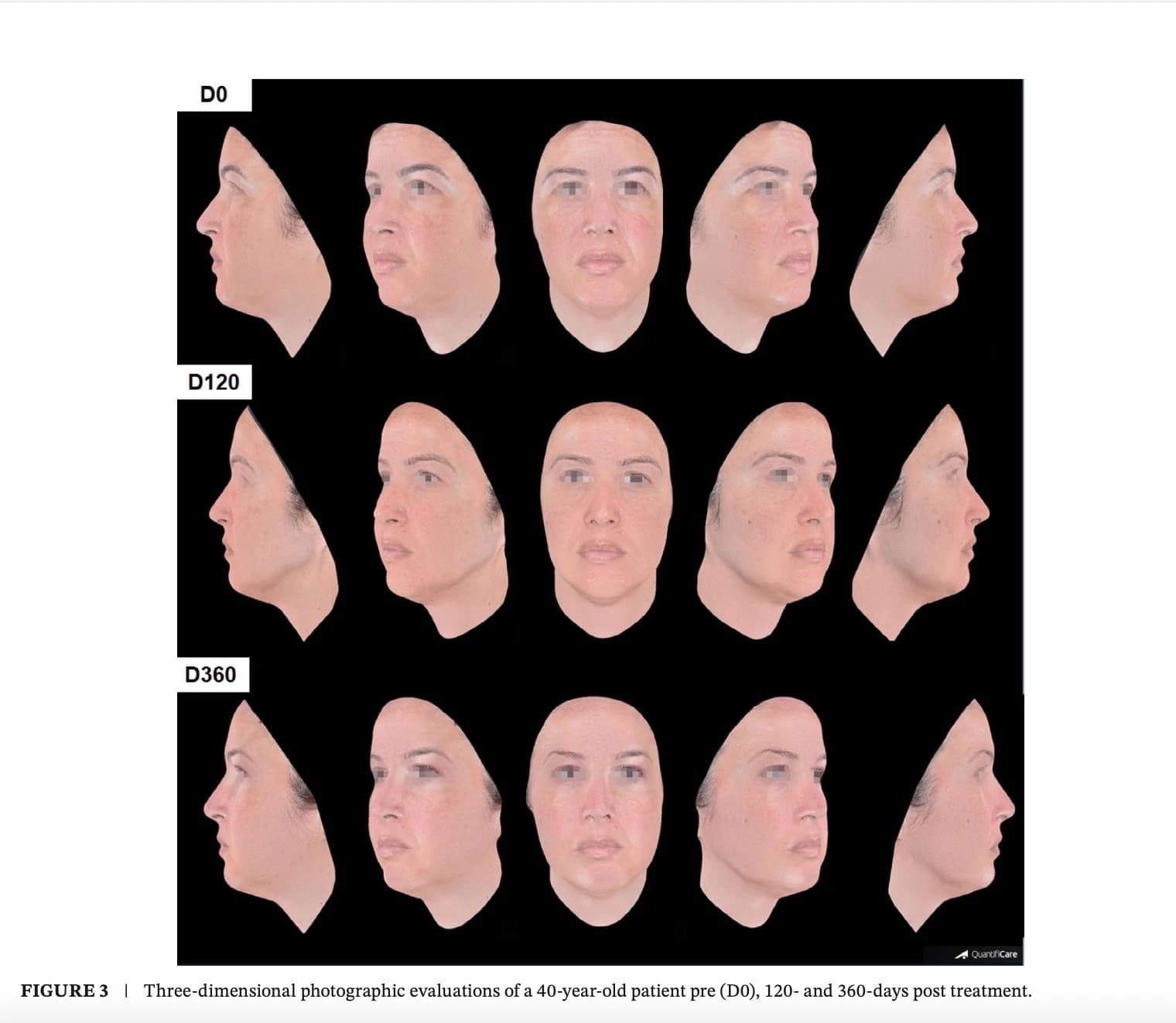
Figures such as 51% improvement and follow-up at 120 and 360 days require checking against the original paper’s time points and calculations. They are not retained as confirmed expected benefits or an advertising headline.
A small study without a control cannot readily separate natural change, measurement conditions and other influences. Increased ultrasound thickness is not equivalent to restored elasticity, texture or younger tissue.
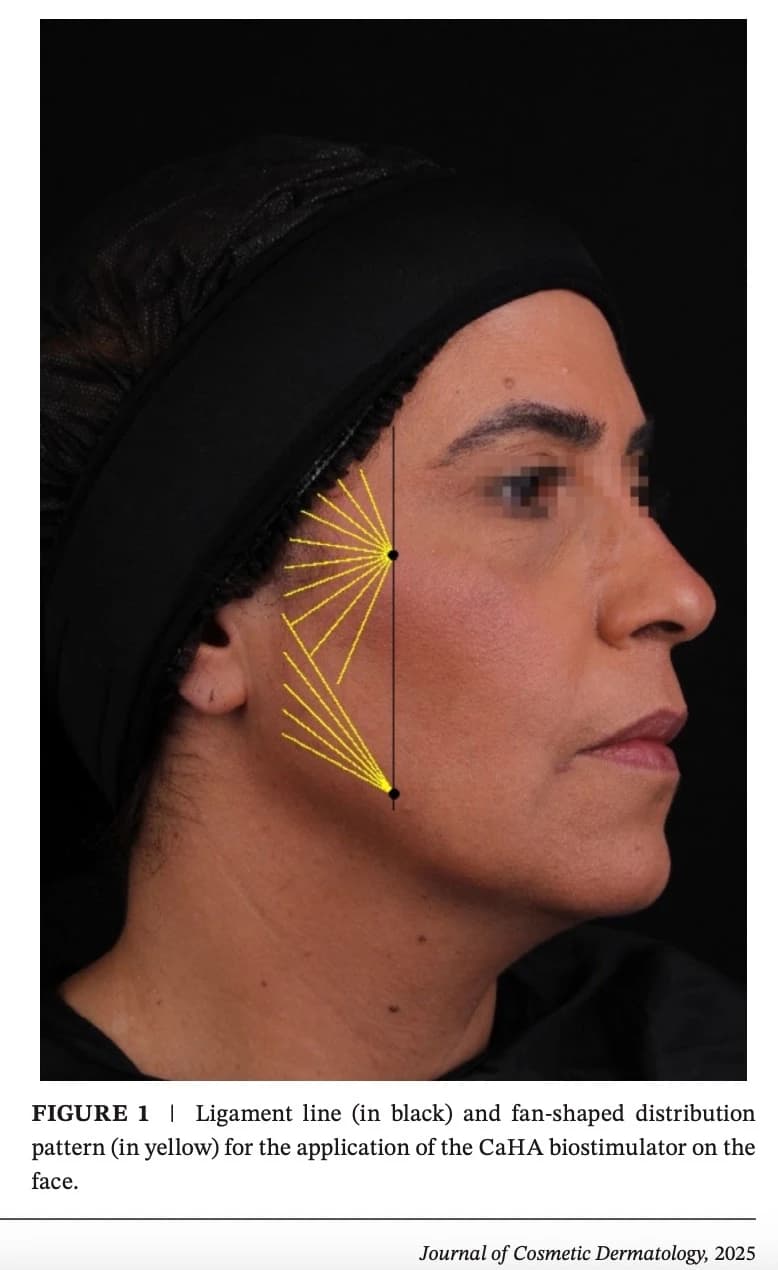
No nodules reported in a study does not mean no nodule risk for all patients. Specific mixing, planes and instrument measurements are not reproduced as instructions. The focus is reading study design and adverse-event reporting alongside outcome figures.
Source: Original post on Dr. Hyemi Yu’s Naver blog (Korean)
The original publication date and the website revision date are shown separately.