
JOURNAL
Cannulas and injection risks
Cannulas and injection risks. Source observations, research context and limitations.
This article discusses the source author’s earlier literature, cases and experiences. Research populations and limitations matter; individual diagnosis and treatment require clinical assessment.
A blunt cannula does not make filler injection risk-free. The source raises concern about vascular injury, necrosis and vision loss even when a cannula is used.
Anatomy and tissue planes
“Safety lies in the right layer, not just the right place.”
Vessels and tissue planes vary between individuals. No plane or device is universally safe. Detailed injection depths have been omitted from this patient-facing version.
“Anatomy is not linear — it varies with age, sex, and ethnicity.”
| Area discussed | Risk requiring assessment | | --- | --- | | Nasolabial region and temple | Vessel position and individual anatomy | | Glabella and nose | Vascular occlusion and potentially serious visual injury |
References listed in the source include Beleznay et al. on filler-associated blindness and Cotofana et al. on facial arterial anatomy. Exact citations require verification.
Ultrasound as an anatomical aid
Ultrasound can support anatomical assessment, rather than eliminate risk.
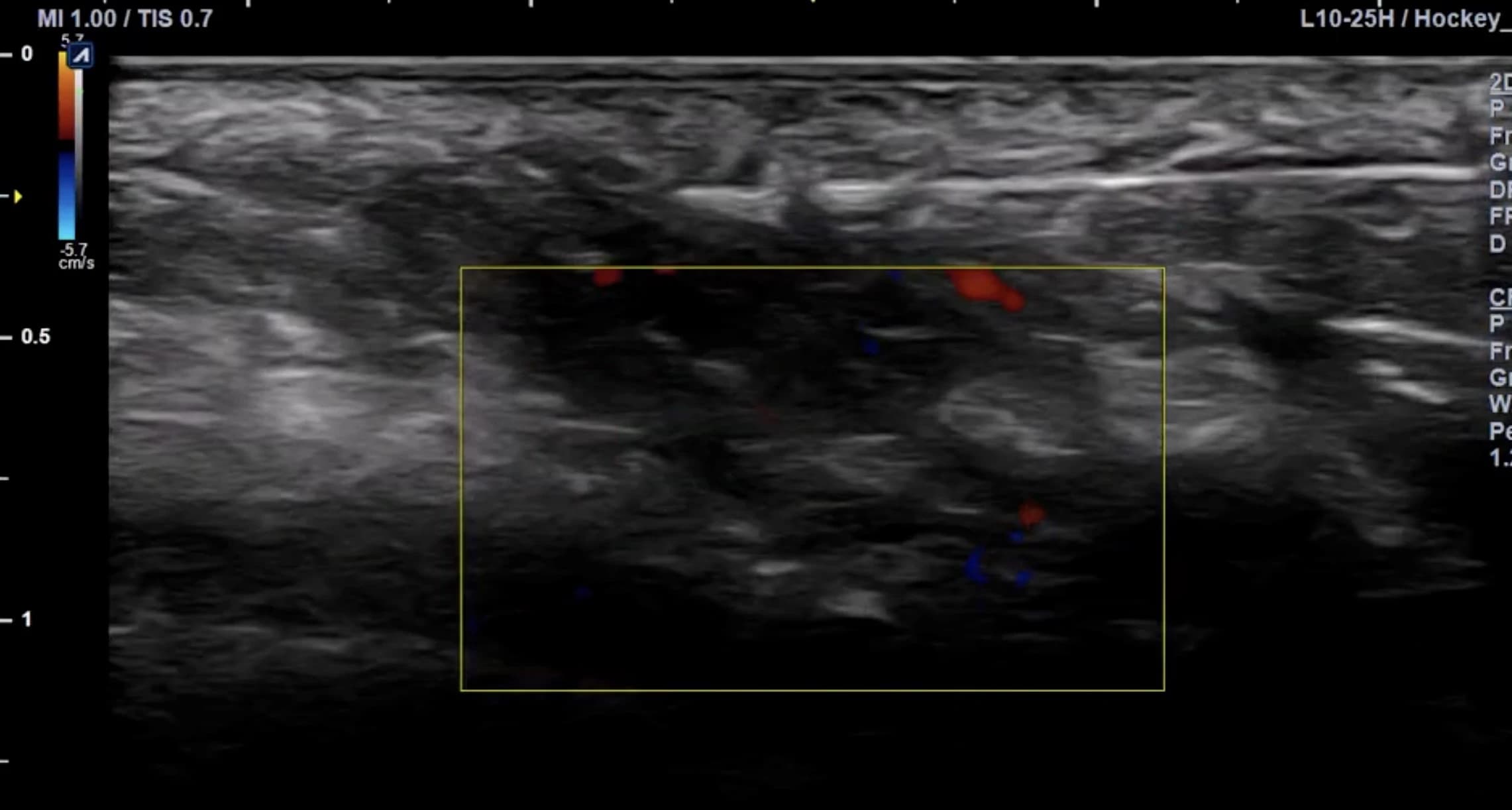
The source discusses high-frequency ultrasound for visualizing vessels, muscle and tissue layers, citing Schelke and Wortsman. Anatomical visualization is distinct from proving that injection pressure or diffusion can be reliably predicted in every procedure.
Cannula and needle selection
A blunt device is not a guarantee of safety; the anatomy and procedure still matter.
Cannulas and needles have different properties and suitable uses. Relative pain, bruising and safety depend on site, material and technique. A blunt tip does not eliminate arterial injury or occlusion.
The source cites deLorenzi, Pavicic and CaHA-related literature in discussing viscosity and pressure. Detailed techniques and universal safe-plane claims were omitted. Sudden visual symptoms, severe pain or a skin-color change after injection need immediate medical assessment.
The source’s closing message is to start from anatomy. Training, assessment and appropriate imaging support risk management but cannot guarantee a complication-free procedure.
Materials linked by the source
Source: Original post on Dr. Hyemi Yu’s Naver blog (Korean)
The original publication date and the website revision date are shown separately.