
JOURNAL
Finding inner beauty: appearance and the inner self
Finding inner beauty: appearance and the inner self. A historical record preserving source context, experiences and references.
This is a historical record of the source author’s experiences, reflections or shared material. Former affiliations, events and products refer to that time and are not current 1PM Clinic services or sales information. Medical claims, individual outcomes and republication rights await clinic review; benefit and safety are not guaranteed.
http://www.incheonilbo.com/news/articleView.html?idxno=1162762
External material linked in the source
In Disney Pixar’s Finding Nemo, with its colorful fish, Nemo is a young fish with one unusually small fin. His father, Marlin, feels such concern for him that he wants to keep him safe at home and is reluctant even to send him to school.
Whenever Nemo tries something new, Marlin tells him that his small fin means he cannot do it. His intention is to protect his son, but from another perspective these repeated warnings may make Nemo feel deficient.
In rebellion, Nemo swims toward a boat and is captured by a diver. Marlin’s long journey to find his son forms the central story of the film.
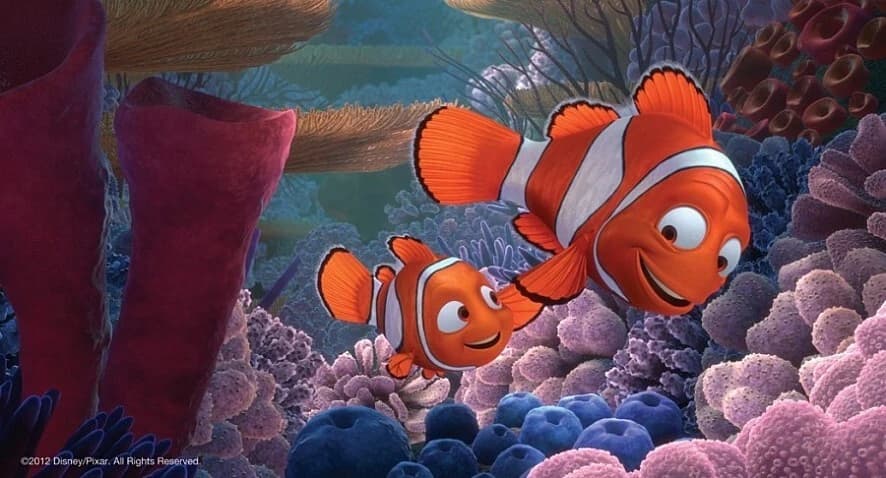
The long journey to find Nemo may resemble the journey we need to take to find our inner selves. The author regards the pursuit of beauty as a basic human desire, and illustrates this with claims about infants’ reactions to attractive faces and frightening creatures. Those claims are part of the original column, not a verified account of infant development.
People may admire visually striking celebrities and be drawn to the performances they see.
As a plastic surgeon, I have met many patients. In my personal view, people who devote sustained time and effort to their appearance and receive ongoing care can look younger than their peers. Yet conversation sometimes reveals emotional wounds behind the outward appearance.
Some people who have not regularly sought aesthetic treatment suddenly want multiple procedures after an upsetting event: a breakup, for example, or a partner’s insulting comments about their looks. They may feel sad or cry during treatment. Lifting tissue or filling a crease may change an outward feature, while emotional pain is not so easily filled. I therefore try to offer positive, kind words and help people feel supported during care.
The desire to be loved takes many forms, and appearance may feel particularly important. But if someone has withdrawn affection and judged another person only by appearance, would becoming more attractive make returning to that relationship the right choice? I am not sure.
People sometimes make disparaging remarks about another person’s appearance without thinking. They should recognize that a casual sentence can damage self-esteem and leave a deep wound. Every person is valuable and has their own beauty. Even a dandelion or a wild plant has beauty in its own form. Beauty takes different shapes, and every person has a beauty of their own.
By Hyemi Yu, plastic-surgery specialist and, at the time of the column, director at Tami Plastic Surgery.
Source credit: Incheon Ilbo (https://www.incheonilbo.com).
Source: Original post on Dr. Hyemi Yu’s Naver blog (Korean)
The original publication date and the website revision date are shown separately.