
JOURNAL
Why previous procedures matter when assessing lifting response
Why previous procedures matter when assessing lifting response. An edited account of source experience, research context and limitations.
This edited account distinguishes personal experience, laboratory research and clinical studies. Individual suitability requires clinical assessment.
The source asks clinicians to review previous surgery, fillers, threads and energy-based treatments when someone reports limited lifting response, facial heaviness or an unfamiliar expression. Procedure count or shot count alone may not explain the experience.
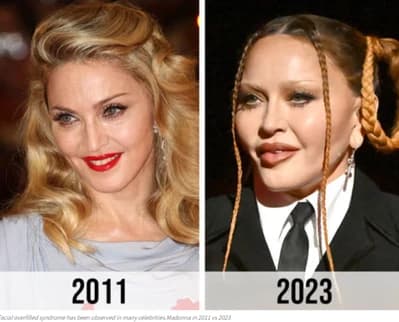
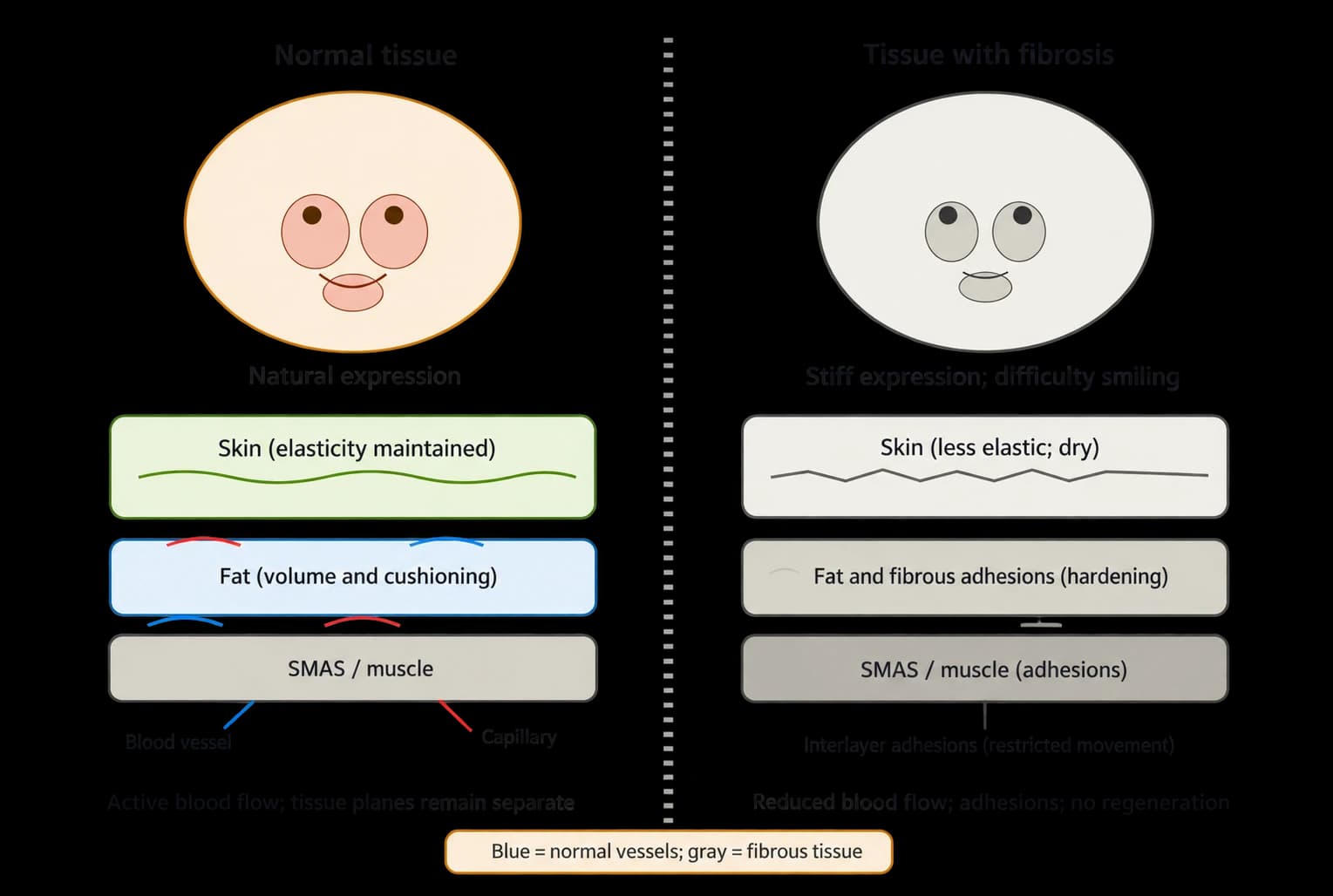
It discusses facial overfilling, altered tissue planes and fibrosis. Limited response or facial shape alone cannot diagnose fibrosis, and energy-based treatments should not all be described as causing hardening. A cooked-meat analogy does not accurately reproduce human healing.
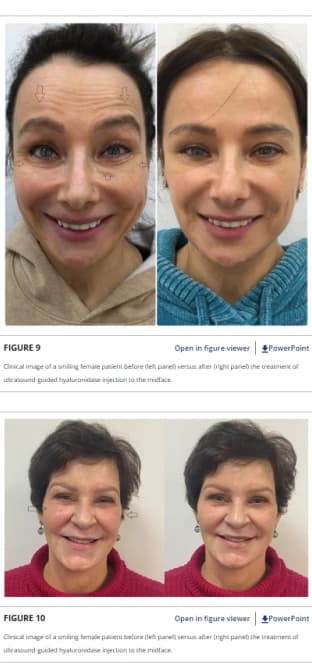
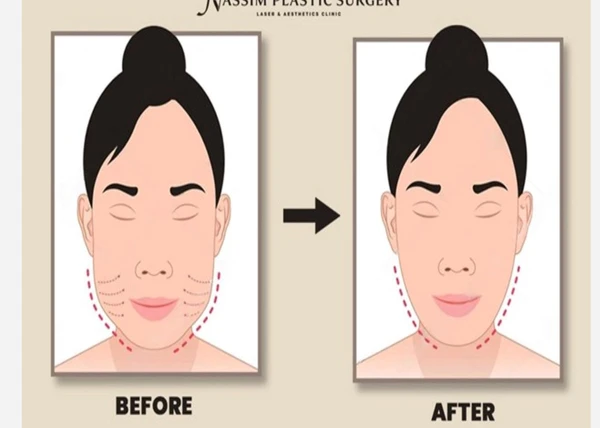

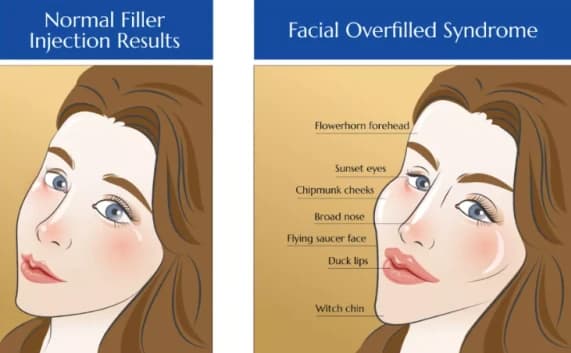
The author records using ultrasound and Doppler to assess tissues and blood flow and trying ESWT with ultrasound-based approaches while working at BIO. That historical experience has not been relabeled as an outcome at the current clinic.
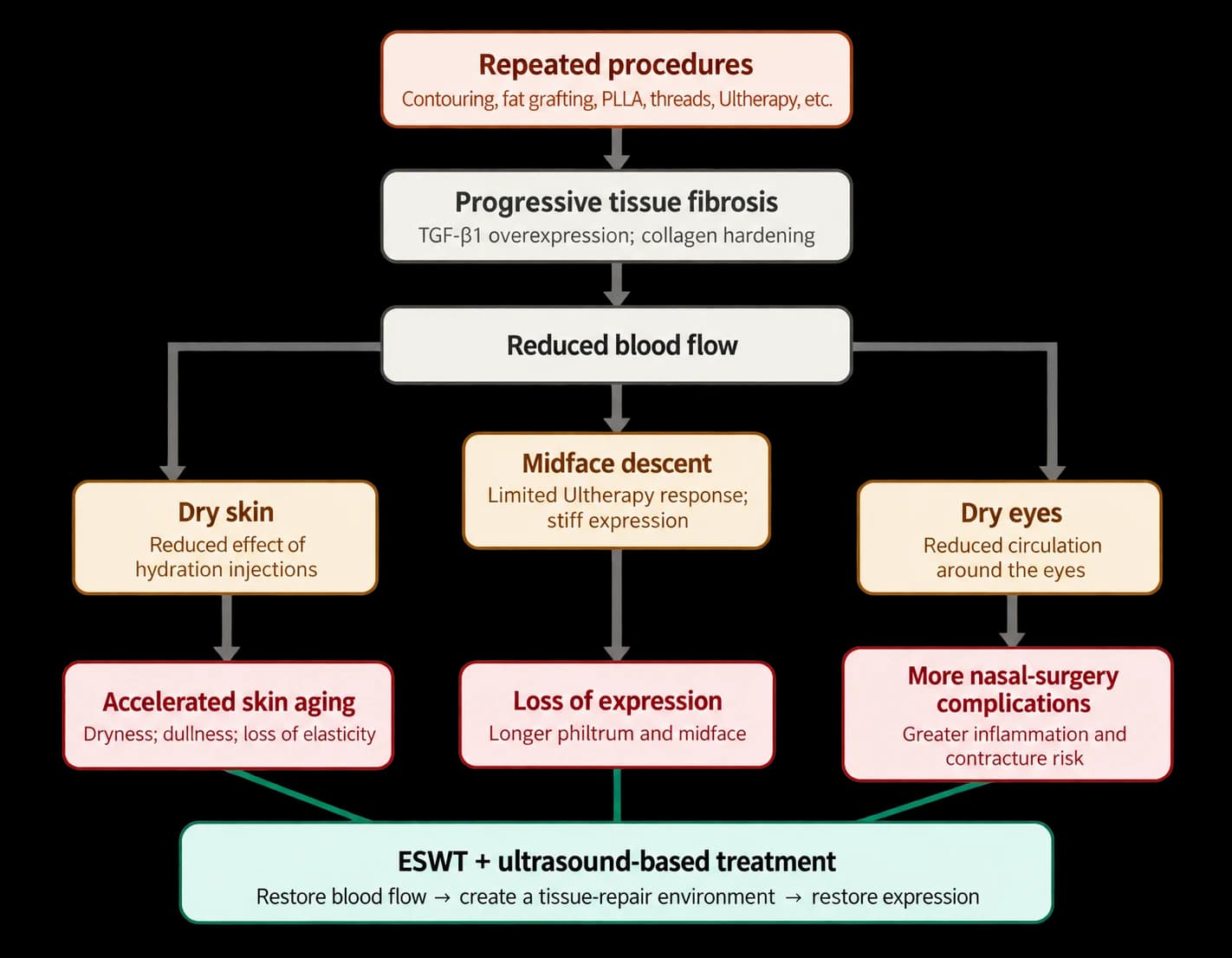
The 2024 Ko and Cho report and the tissue or cell studies linked by the source involve different populations and methods. They do not establish ESWT as standard treatment for everyone dissatisfied with lifting or guarantee a response.
Claims connecting dry eyes and rhinoplasty complications through one cause require direct evidence and are not presented as general conclusions. Assessment depends on the person’s symptoms and procedure history, with benefits and risks of further treatment considered together.
Materials linked by the source
Source: Original post on Dr. Hyemi Yu’s Naver blog (Korean)
The original publication date and the website revision date are shown separately.