
JOURNAL
Considering muscle preservation during GLP-1 treatment
Considering muscle preservation during GLP-1 treatment. Source observations, research context and limitations.
This article discusses the source author’s earlier literature, cases and experiences. Research populations and limitations matter; individual diagnosis and treatment require clinical assessment.
Considering muscle during GLP-1-based treatment
The source raises concern about body composition, facial volume and skin changes during weight loss. These changes should be assessed rather than assumed to mean that medication has damaged the body.
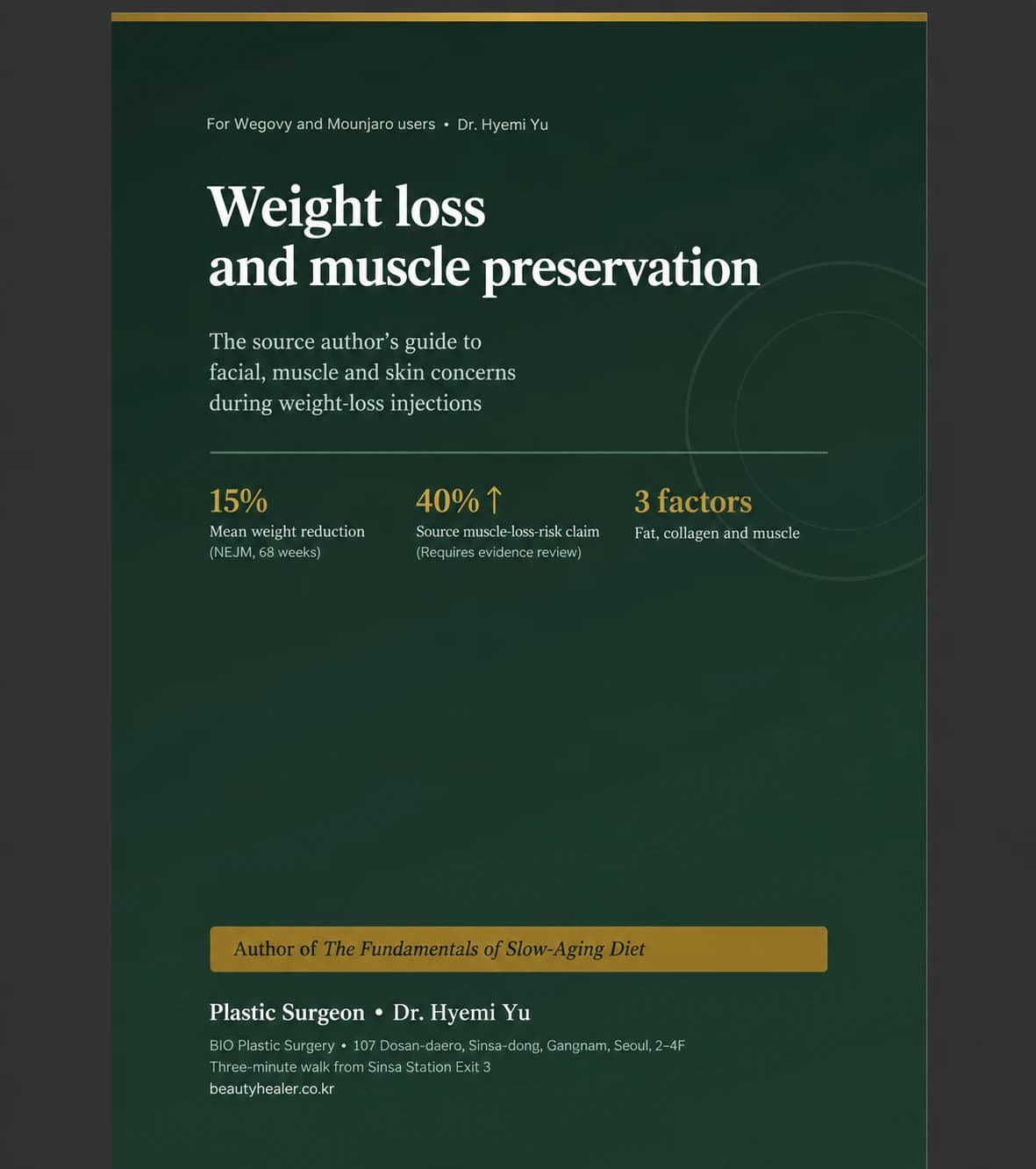
The source cites the 68-week STEP 1 semaglutide trial’s roughly 15% mean weight reduction and discusses loss of both fat and lean tissue. Its statement of a 40% higher muscle-loss risk with inadequate protein needs its exact population and endpoint checked; lean mass is not identical to skeletal muscle.
Facial changes have several possible causes
The source combines facial fat, collagen and masseter changes in one explanation. Weight loss and direct drug effects must be distinguished. Reduced chewing causing rapid masseter atrophy or an appearance five years older is not established here.
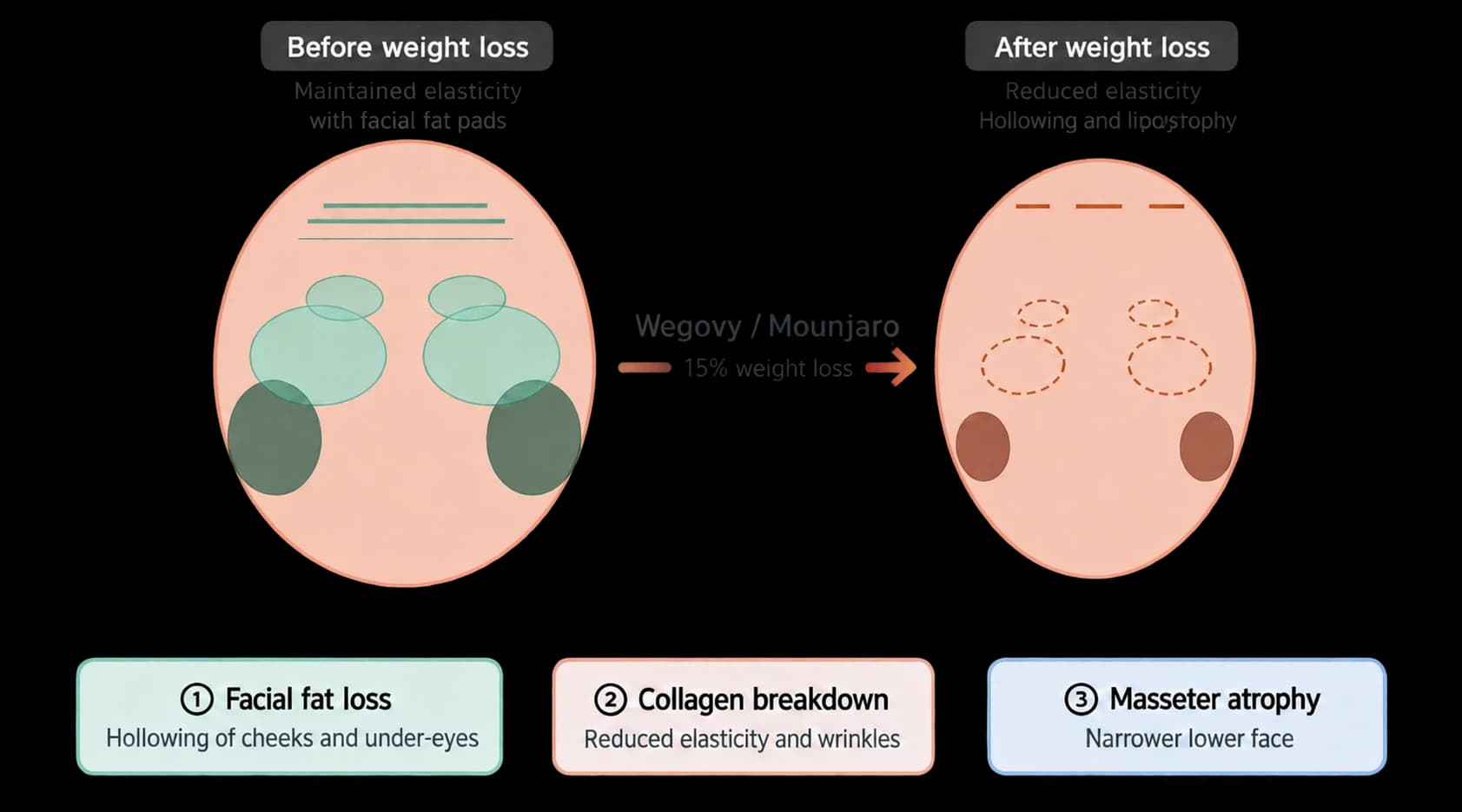
Hair loss, dry skin and other symptoms may relate to rapid weight change, nutrition, medication adverse effects or another condition. No single cause should be assumed and prevention cannot be guaranteed. The source discusses protein and hair cycling, citing Guo and Katta, 2017.
Nutrition and activity
The source proposes distributing protein, considering carbohydrate quality and meal order, and avoiding an unnecessarily rapid course. Its figures of 1.2–1.5g/kg/day protein, 3–4kg monthly loss and three months of maintenance are not universal prescriptions. Kidney health, age, intake, activity and medication matter.
Meal order and glycogen-associated water do not guarantee less fat storage or preservation of skin. Discuss adequate nutrition and feasible resistance exercise with the treating team.
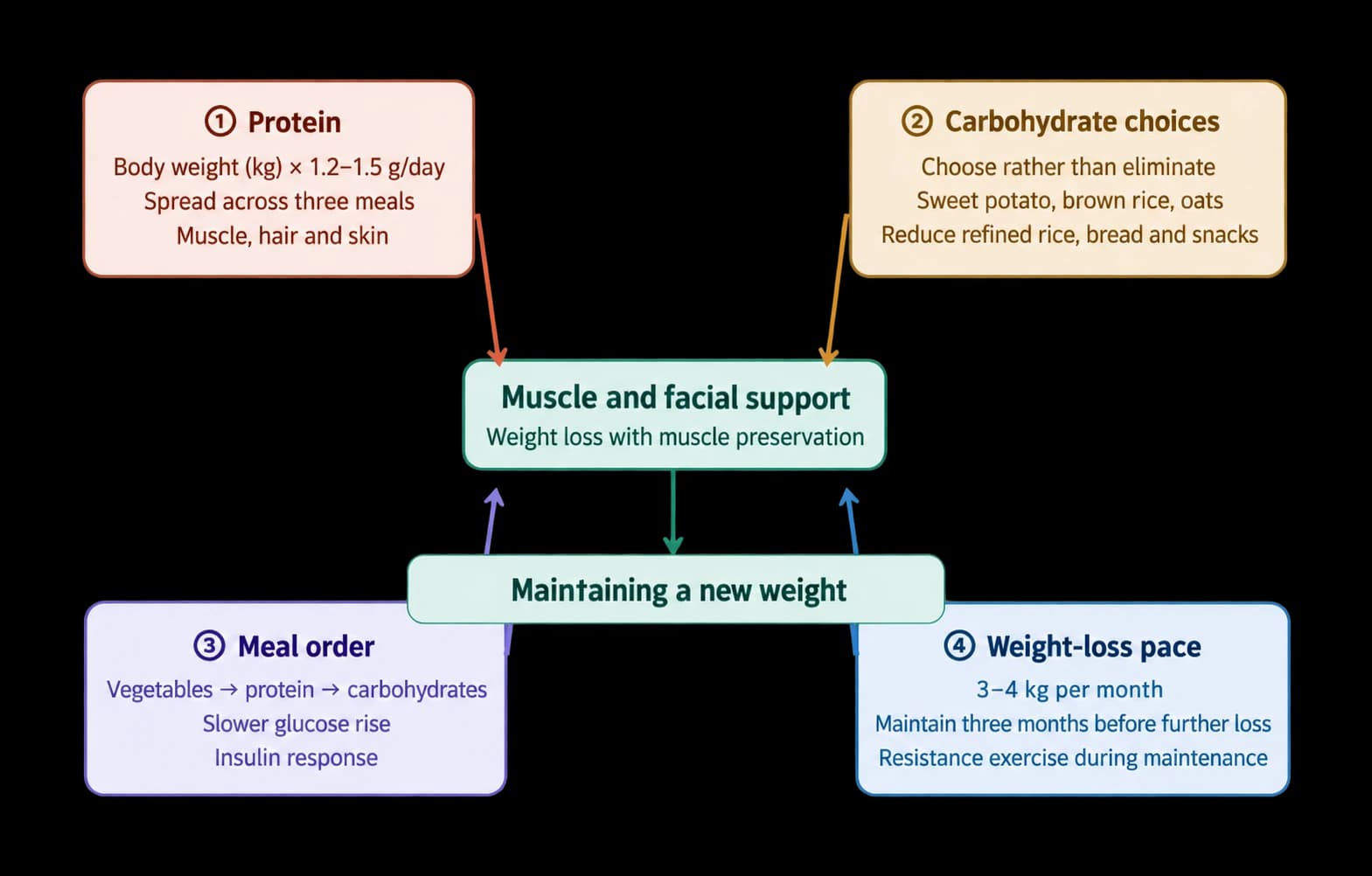
Withdrawal and maintenance
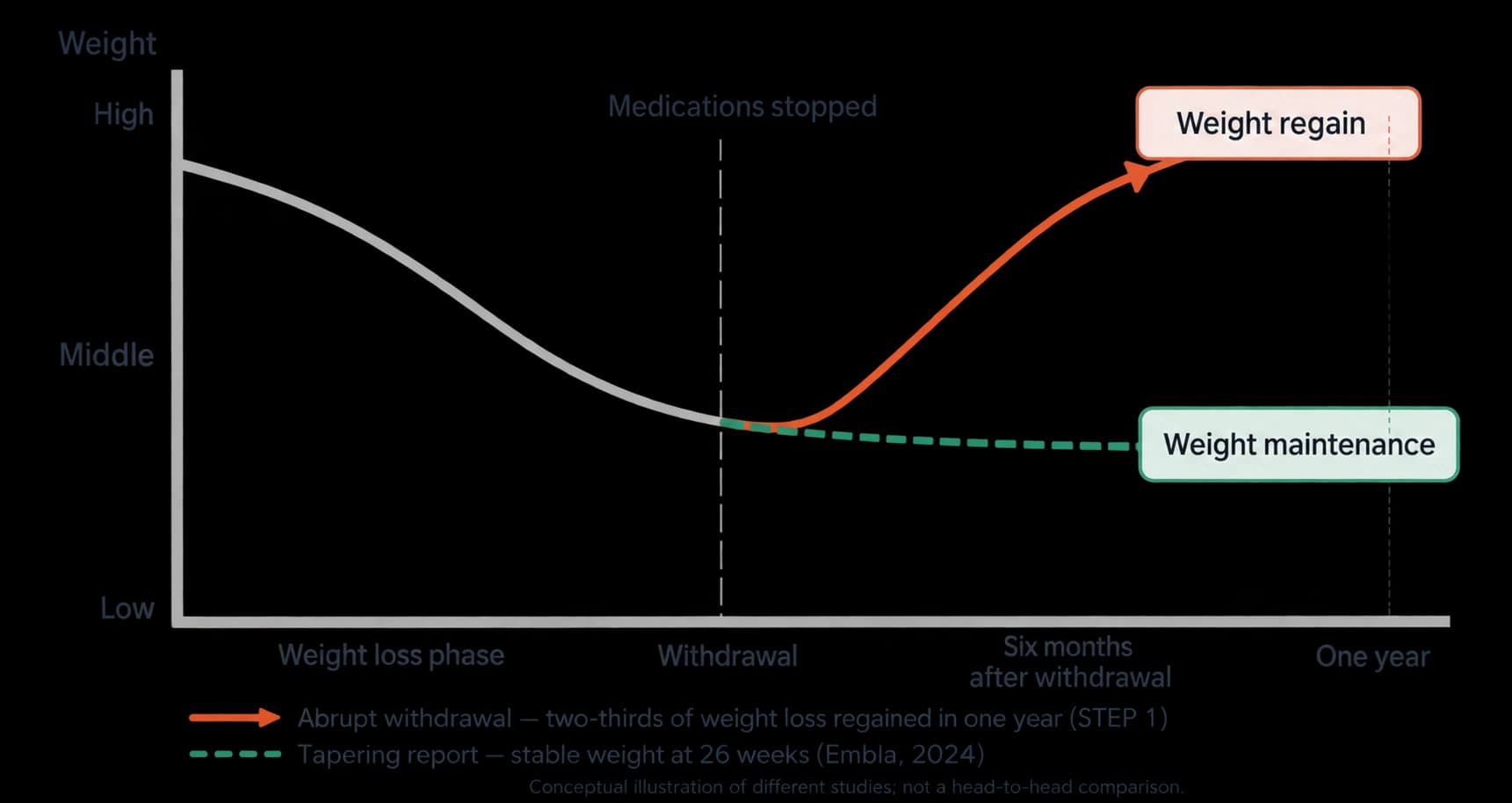
The source cites regain of roughly two-thirds of prior weight loss over the STEP 1 extension’s year after withdrawal and contrasts it with an Embla conference report of tapering plus lifestyle support and 26-week follow-up. These are different study designs and populations; they do not prove that tapering prevents regain.
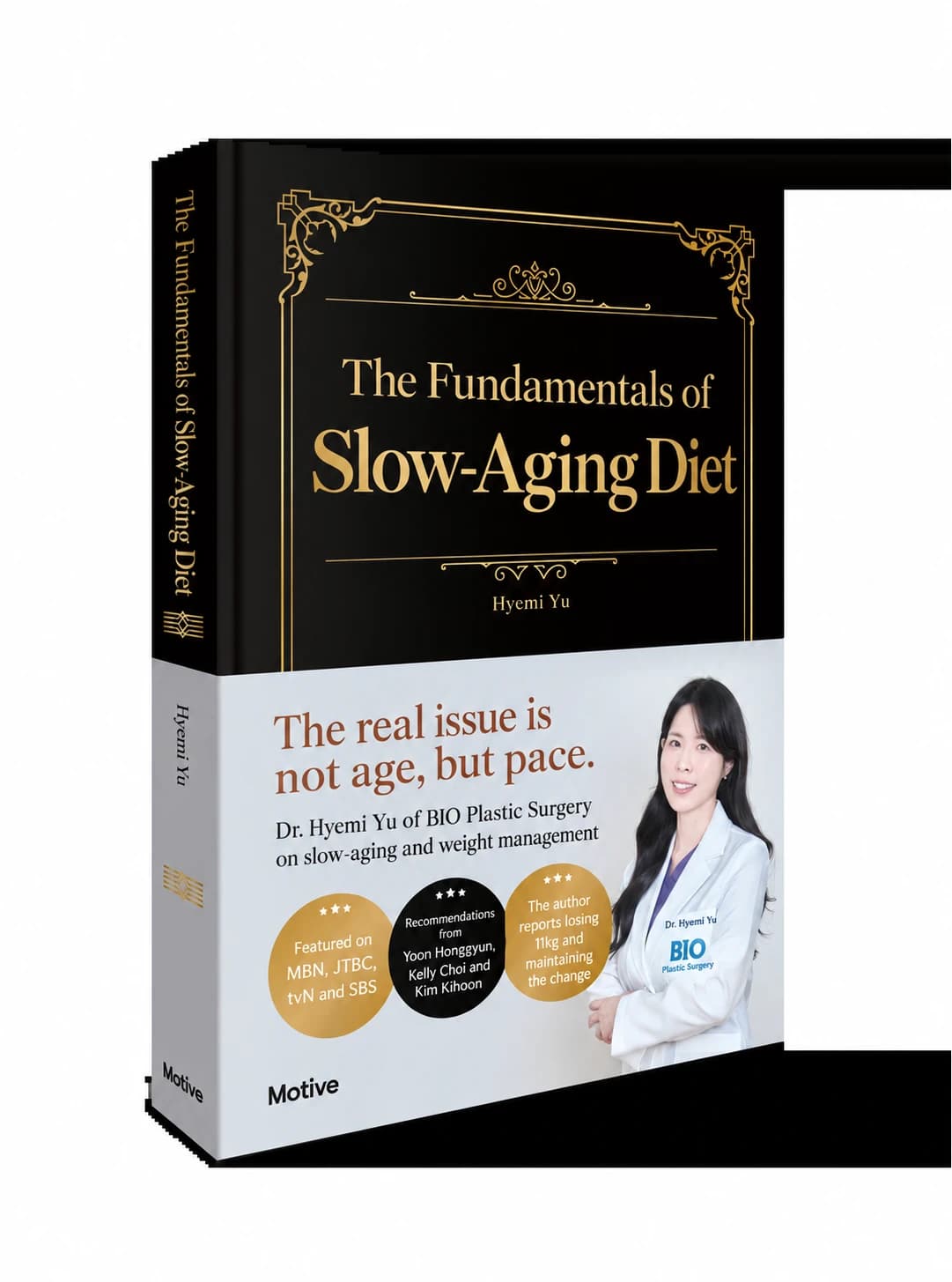
The source promoted the author’s book and a planned e-book. Sales links and production dates were omitted.
This article introduces questions for individual care, not an eating, dosing or withdrawal protocol.
Source: Original post on Dr. Hyemi Yu’s Naver blog (Korean)
The original publication date and the website revision date are shown separately.