
JOURNAL
Distinguishing a PN mouse study from human treatment outcomes
Distinguishing a PN mouse study from human treatment outcomes. An edited account of source experience, research context and limitations.
This edited account distinguishes personal experience, laboratory research and clinical studies. Individual suitability requires clinical assessment.
The author describes looking for original research after personally noticing changes following PN treatment. Separating personal PN or skin-toxin experience from animal and human studies is central to this account.
The source discusses ultraviolet-exposed mice under PBS, HA and PN-related conditions, with elasticity, roughness and wrinkle-depth measures. PRM-001 and timing in the figures belong to those experimental conditions.
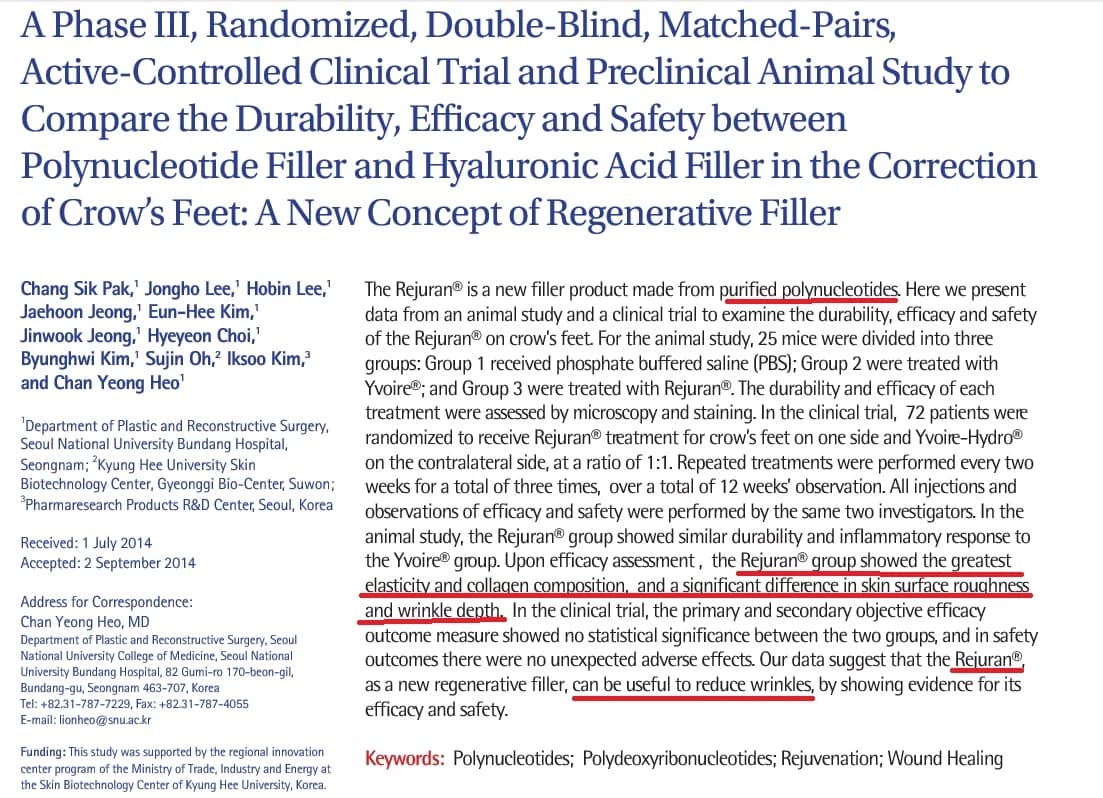
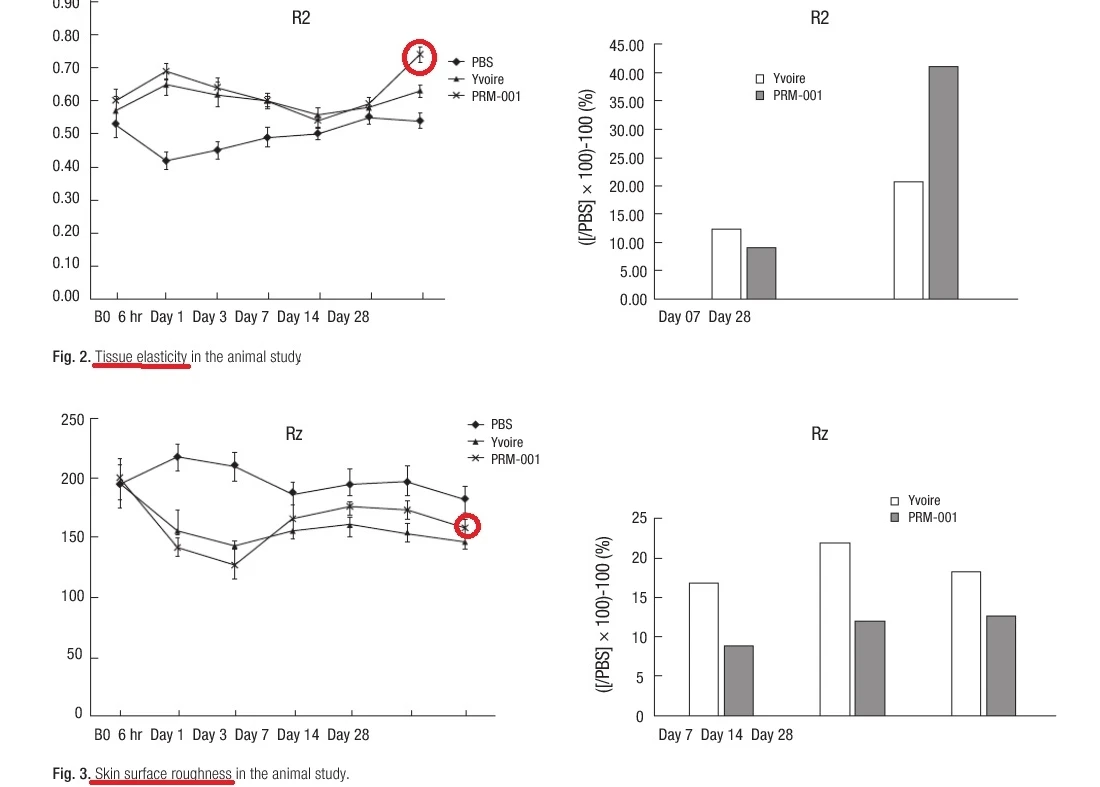
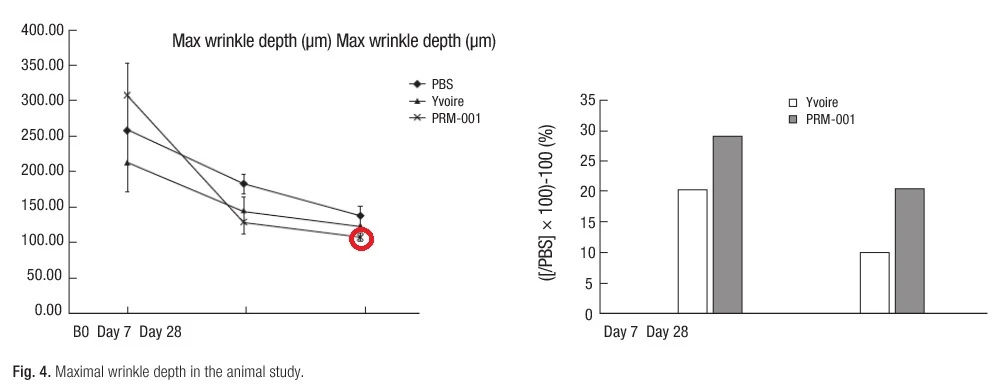
A four-week difference in mice does not establish the same result in people or prove repeated procedures maximize benefits. The linked paper contains both animal and human material, requiring each population, comparator and duration to be read separately.
The turnover explanation is not reproduced as melanocytes shedding in the same way as keratinocytes. Faster turnover does not necessarily improve skin or prevent aging.
The author’s bumps and pain are individual experiences. Combining PN with toxin or repeating every three months is not offered as general advice. Product, combination, site evidence and permitted uses need review.
Source: Original post on Dr. Hyemi Yu’s Naver blog (Korean)
The original publication date and the website revision date are shown separately.