
JOURNAL
Distinguishing PRP, PRF and blood-derived materials
Distinguishing PRP, PRF and blood-derived materials. An edited account of source experience, research context and limitations.
This edited account distinguishes personal experience, laboratory research and clinical studies. Individual suitability requires clinical assessment.
PRP is a platelet-rich blood fraction; it is not identical to PRF, hematopoietic progenitor cells or other blood-derived preparations. The source begins by asking what processing occurs between drawing blood and using it.
Basic platelet and growth-factor activity can be described, but the contents of a specific fraction depend on preparation and testing. Rare CD34-positive cells in blood do not establish PRP as stem-cell treatment or identify those cells as the source of its effects.
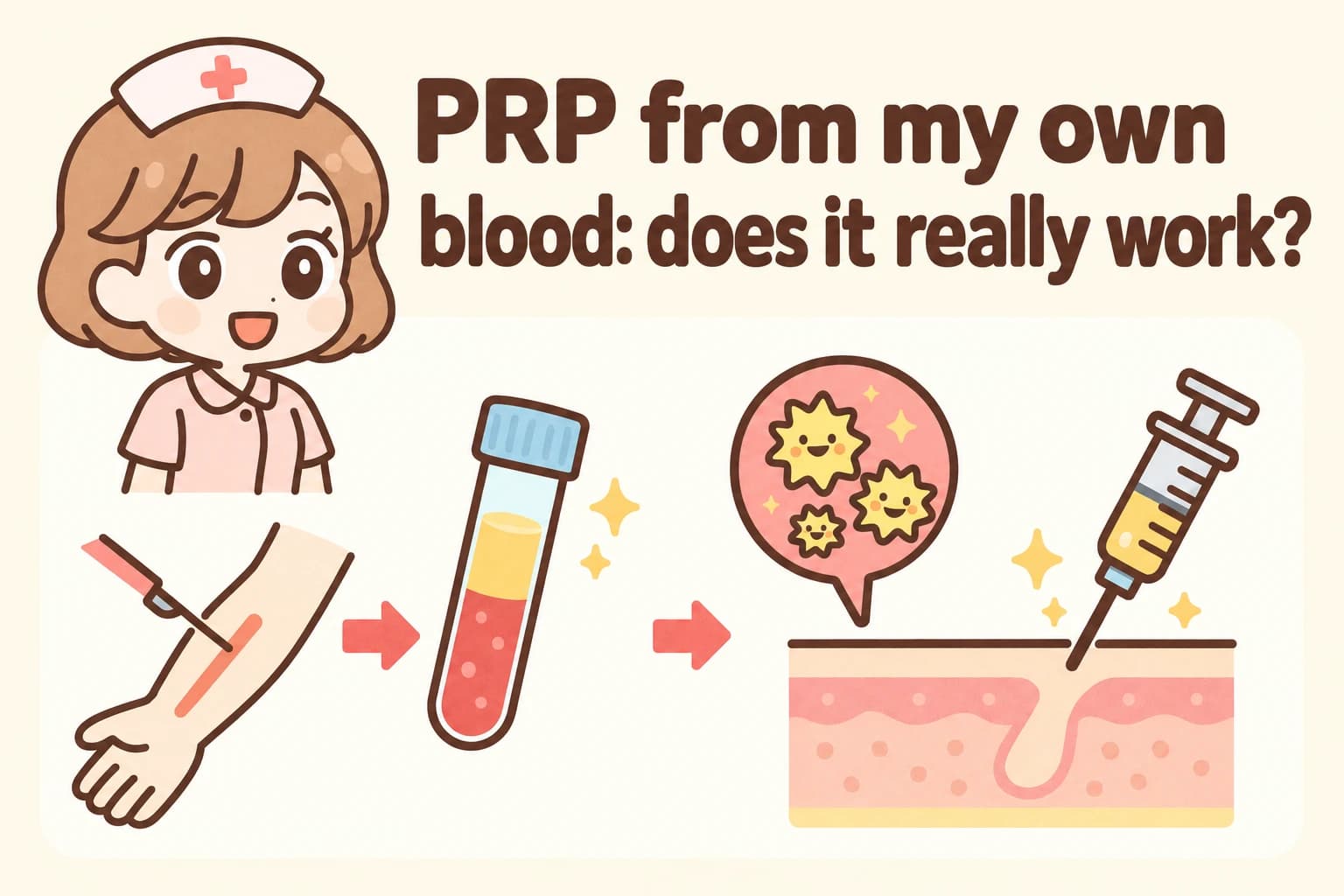
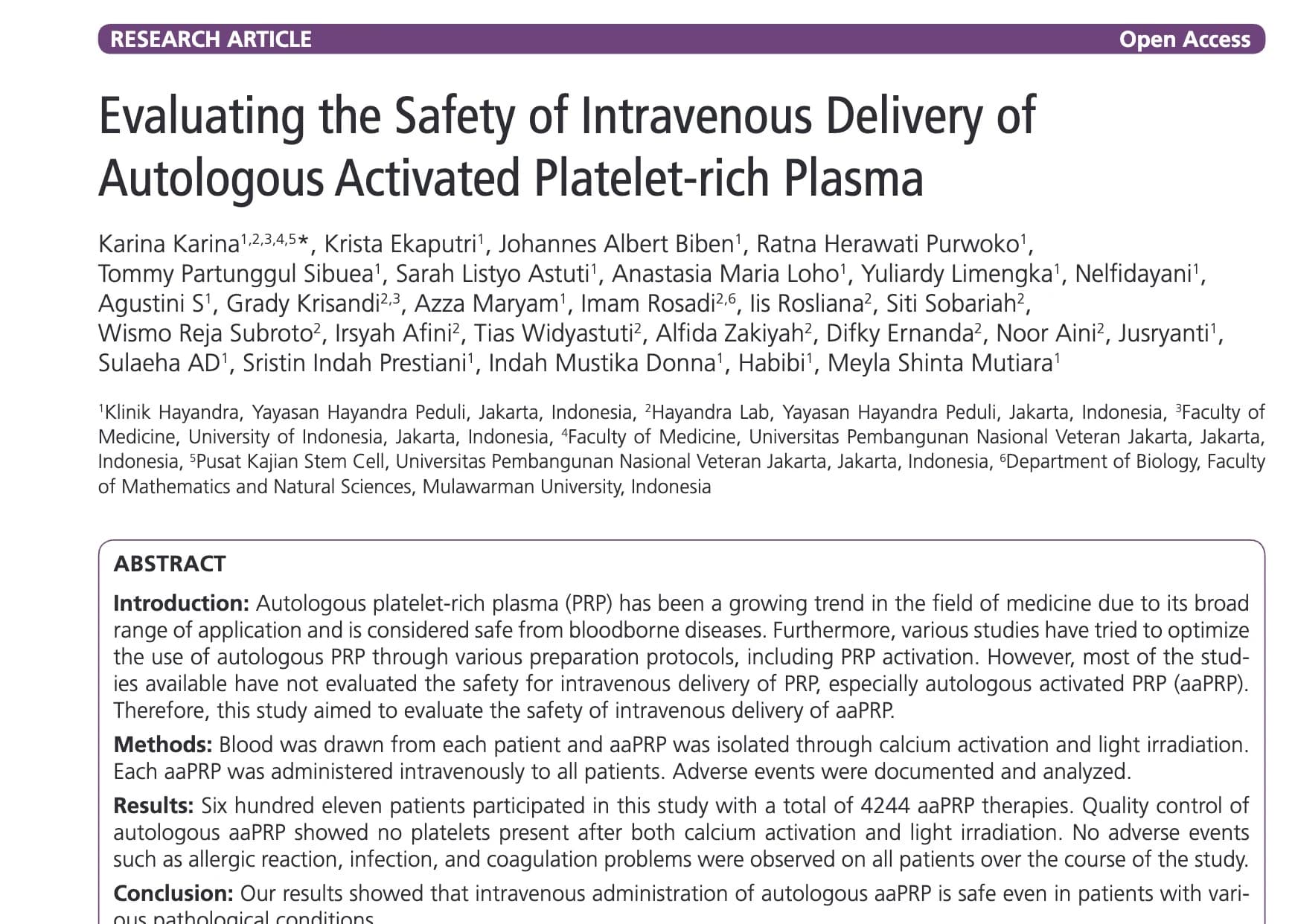
The source combines local use in skin or scalp with intravenous research. Evidence for local use cannot be transferred to infusion. A retrospective record described as 611 people and 4,244 administrations, with no serious events reported, would not establish universal safety. Preparation, activation and route must also match actual use.
Skin-thickness studies of PRP or PRF and hair-loss studies have different purposes and endpoints. Uniform sessions, intervals and onset times are not applied to every reader. The focus is terminology and research routes, rather than advertising intravenous treatment or a specific benefit at the clinic.
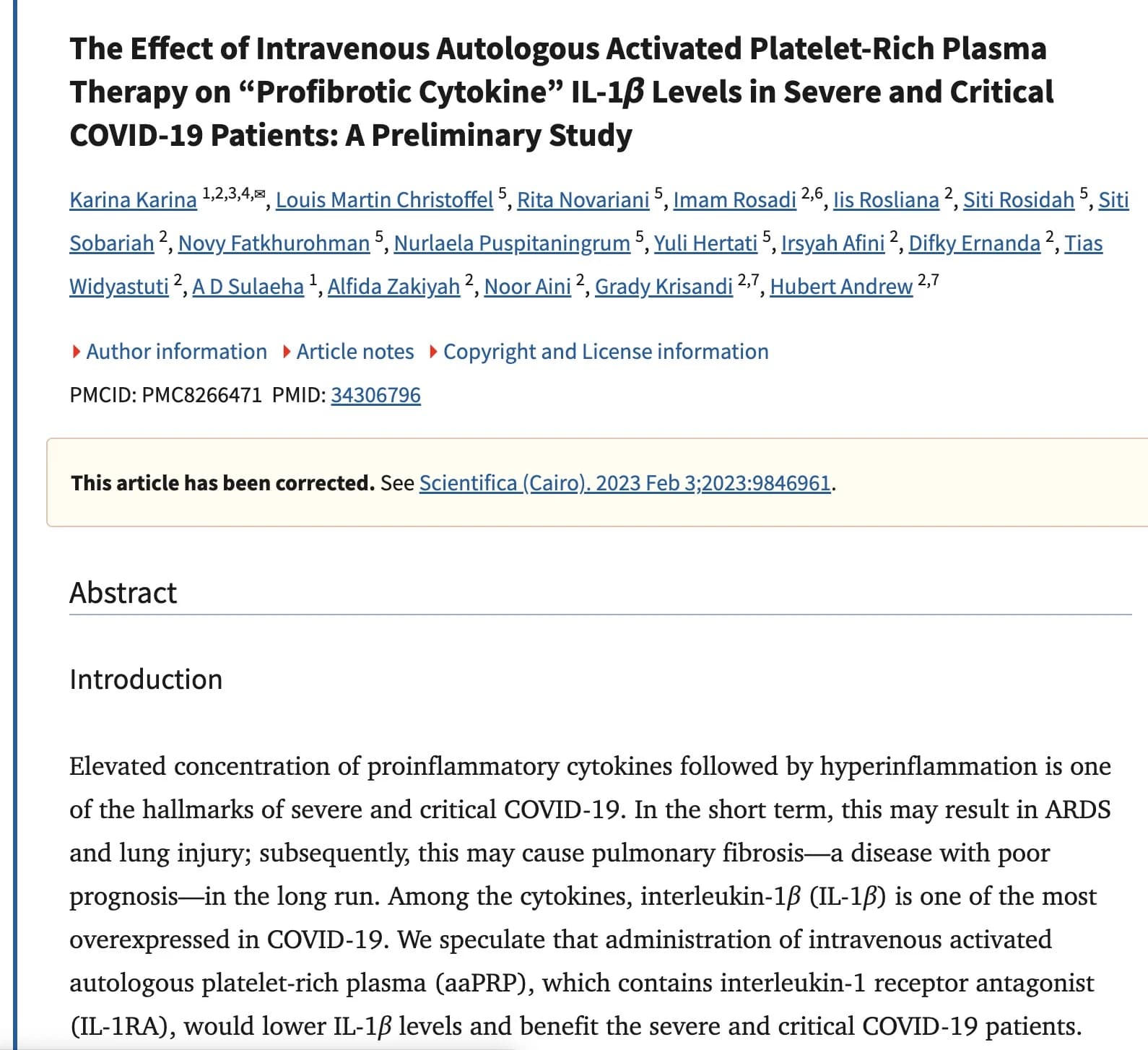
An image of the intravenous PRP/COVID-19 paper displays a correction notice (PMID 34306796; corrigendum PMID 36776281). The correction, population and methods require review before using it as evidence for current treatment.
Materials linked by the source
Source: Original post on Dr. Hyemi Yu’s Naver blog (Korean)
The original publication date and the website revision date are shown separately.