
JOURNAL
Reviewing daily routines after stopping weight-management medication
Reviewing daily routines after stopping weight-management medication. An edited account of source experience, research context and limitations.
This edited account distinguishes personal experience, laboratory research and clinical studies. Individual suitability requires clinical assessment.
This article considers daily life after stopping weight-management medication. The source emphasizes routines involving protein-containing meals, aerobic and resistance activity, sleep and hydration. Weight regain cannot, however, be explained solely by inadequate preparation or willpower.
The description of giving the prefrontal cortex a rest is a metaphor for the experience of medication use. It does not establish that aging inevitably impairs executive function or that weight-management medicines restore brain function.
The roles of medication and daily management
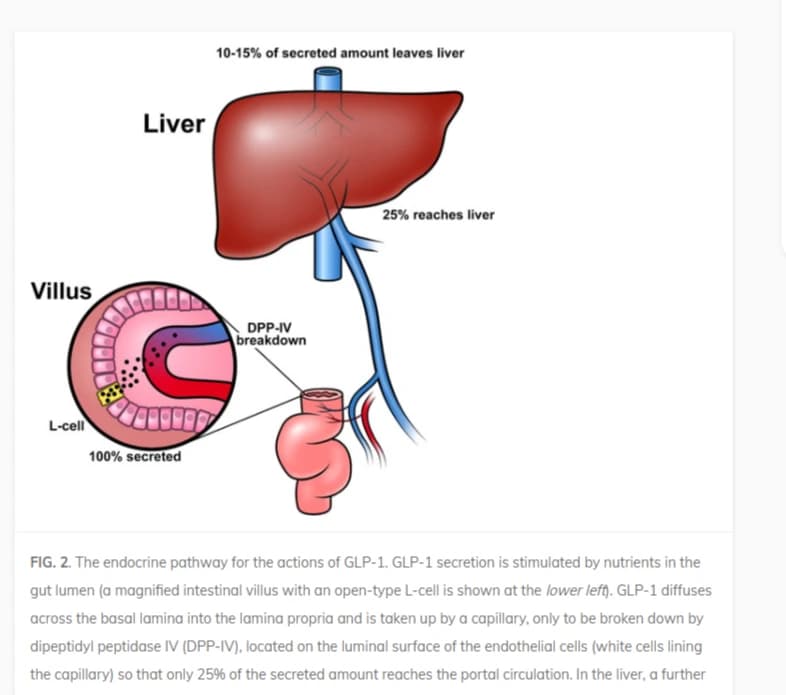
Reviewing food, activity and sleep may form part of a maintenance plan. Stimulation of naturally produced GLP-1 by protein should not be equated with prescription medication. Daily routines do not guarantee weight maintenance without medication.
Decisions about stopping, timing and follow-up belong with the prescribing clinician. Uniform sleep and fluid targets and the claim that preparation makes maintenance easy have not been retained. Regain is a reason to review appetite, nutrition, health and the treatment plan, rather than label the person a failure.
Source: Original post on Dr. Hyemi Yu’s Naver blog (Korean)
The original publication date and the website revision date are shown separately.