
JOURNAL
Aging research and its limits: notes from New York
Aging research and its limits: notes from New York. Source observations, research context and limitations.
This article discusses the source author’s earlier literature, cases and experiences. Research populations and limitations matter; individual diagnosis and treatment require clinical assessment.
Notes immediately after a David Sinclair lecture
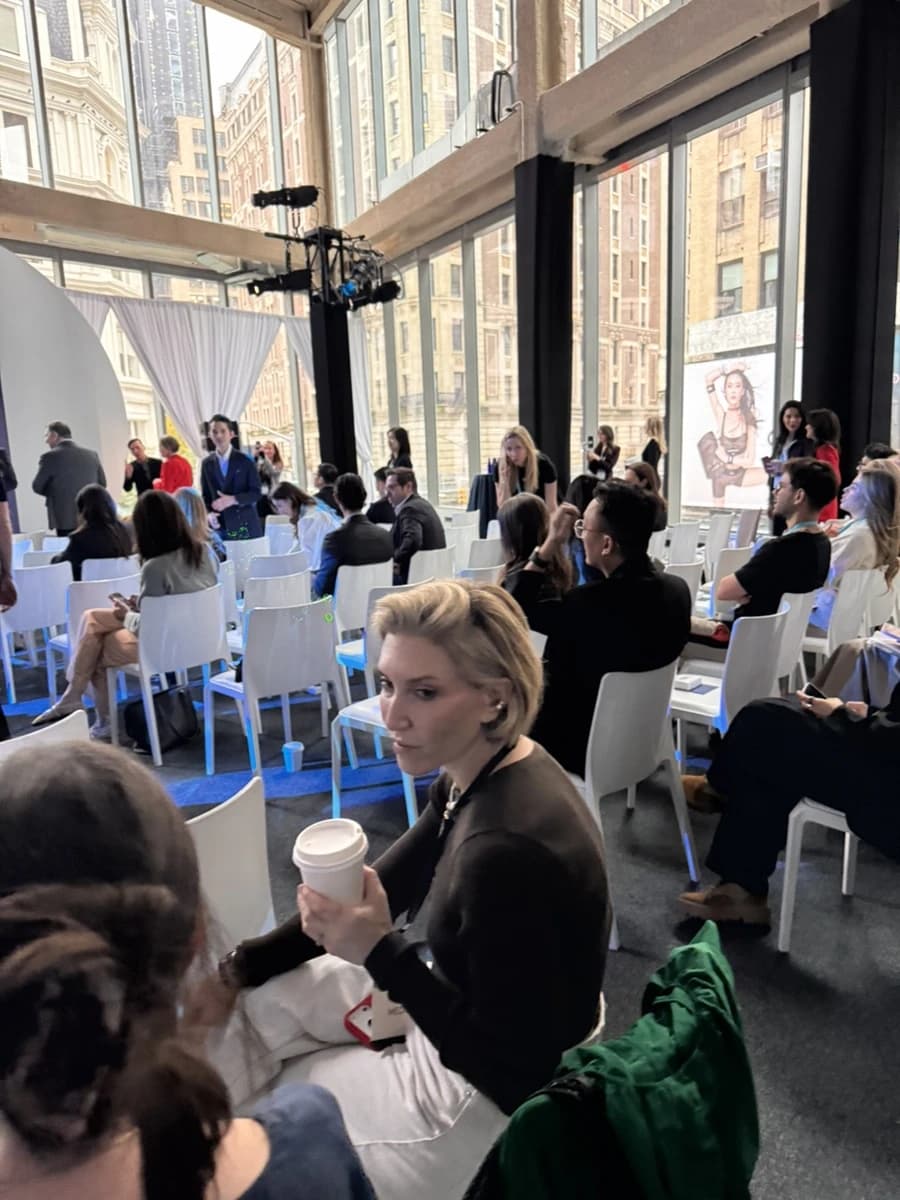
The author records thoughts from New York about aging, regeneration and maintaining function. The lecture asked why cells change with age and whether some lost function might be recoverable.
Epigenetic reprogramming
The epigenome influences how cells use genetic information. Different cell types have similar DNA but use different programs. The source discusses research into whether age-associated regulatory changes can be modified without simply converting a cell into an unrelated cell type. This does not mean that a treatment reversing human aging has been completed.
Optic-nerve research
The source recalls mouse experiments involving regulation of particular genes, optic-nerve regeneration and some visual-function outcomes. Adult central nervous system injury is difficult to repair, but animal results cannot be applied directly to people. The specific study and lecture material need identification. No human sight-restoration service is being offered by this account.
Skin as a functioning organ
Skin is a barrier against infection and water loss and participates in wound healing. Chronic wounds in older people can affect quality of life and wider health. Looking younger and maintaining healthy skin function are different goals.
Distinguish CaHA from reprogramming
The same trip included Radiesse discussions. CaHA can provide initial volume and local tissue responses related to collagen, but this is not epigenetic reprogramming or reversal of a cell’s biological age. The two topics should not be merged because they were presented at the same meeting.
Considering a new approach in practice
The author emphasizes understanding what a technique means for patients before adopting it. Assessment should consider skin condition, barrier, thickness, tissue changes, individual goals, approved sites and indications, contraindications and complications. Bruising, swelling and nodules are not the only possible risks; rare serious complications also need recognition and a response plan.
Learning from future research while using present evidence
Aesthetic care can consider both appearance and function, but the reprogramming research described here is not ready to become an ordinary clinical treatment. Existing devices must still be used according to applicable labeling and individual assessment. Future research direction and validated clinical practice are distinct.
The author found the lecture valuable because it broadened the question from looking young to maintaining tissue and body function. The reflection is to understand evidence and identify a patient’s actual needs before following a new technology. It is a personal learning record, not proof that a clinic can reverse aging.
The reprogramming work described is largely preclinical and is not the same mechanism or effect as a local CaHA tissue response. Product use depends on country-specific approval, the patient and professional assessment.
Source: Original post on Dr. Hyemi Yu’s Naver blog (Korean)
The original publication date and the website revision date are shown separately.