
JOURNAL
Day three of 40-minute cardio: meals, movement, and weight
Day three of 40-minute cardio: meals, movement, and weight: a personal record from the original blog publication.
This is a personal record from the original publication date. Food, exercise, weight, and procedure experiences describe one person’s circumstances, rather than current treatment recommendations or guaranteed outcomes.
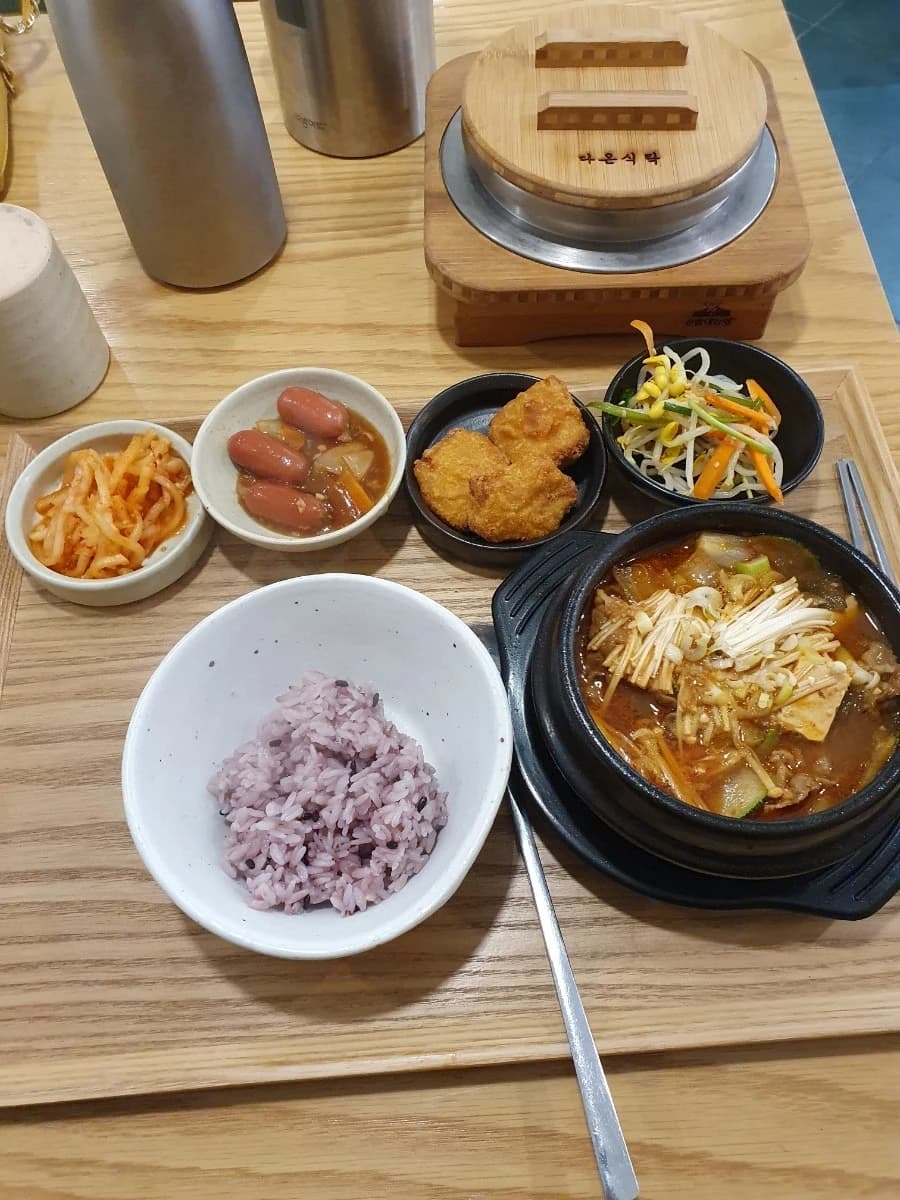
Yesterday's lunch was beef-brisket soybean-paste stew at Daon Table downstairs from the clinic, where the Korean menu changes daily. It was delicious. Since rice is carbohydrate, I served myself half a bowl. Previously I poured warm water into the pot to enjoy the scorched rice too, but this time I took only half a bowl of black rice. More tofu and meat than broth.
By evening my energy was fading. Three consecutive days of cardio felt tiring. I slept deeply but still woke exhausted. Even so, I wanted to keep moving every day.
Today I walked to the house being renovated and back—about an hour, so that counted as cardio. The new windows and doorframes were unexpectedly moving. I had never lived in such a clean, new-looking home. Was I really going to live here?
Very hungry on the way back, I ate half a piece of bread. I saw a whole fried chicken for 6,500 won and bought one to share with my husband and daughter. I ate about one drumstick. It was delicious. My daughter loved the Yeonggye Somun Old-Style Chicken in We’ve Complex 6 too. Next time we would buy two.
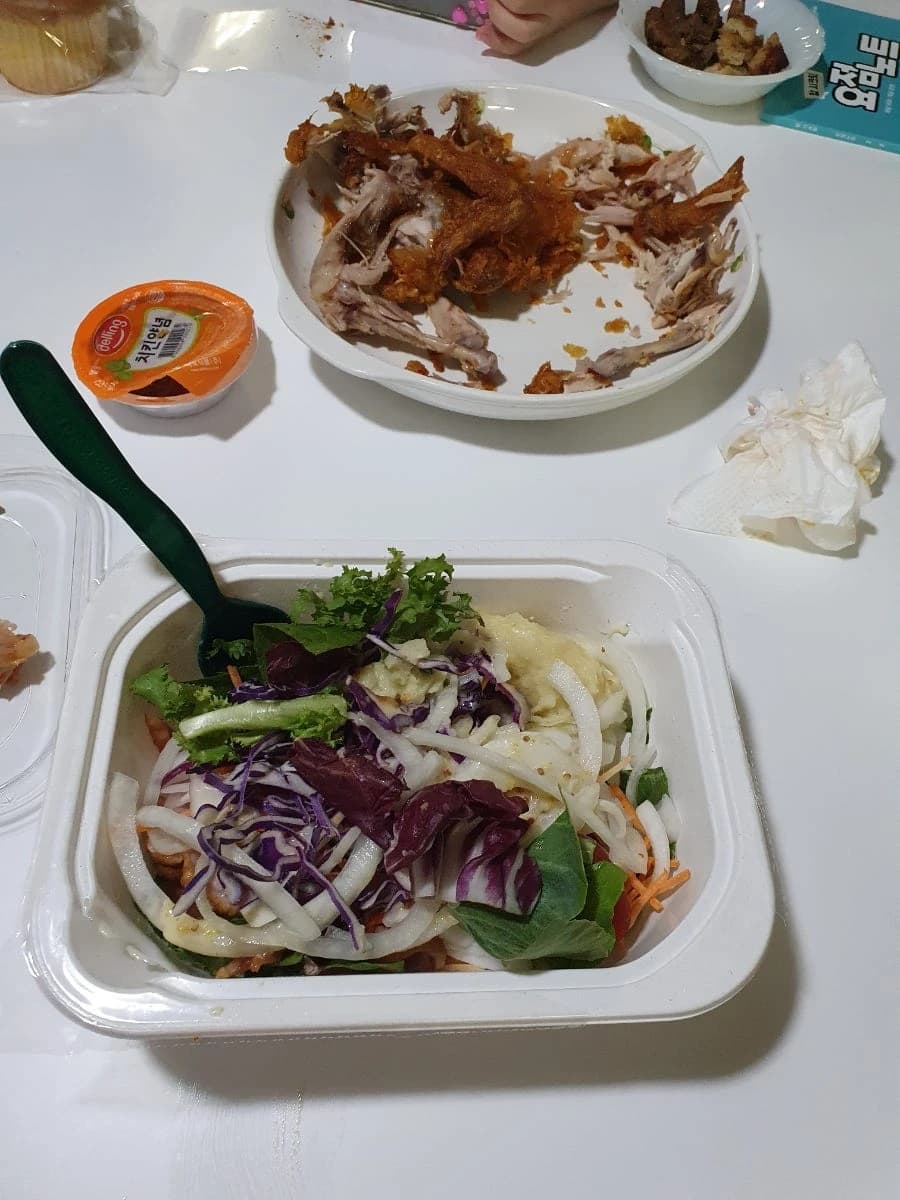
I had bought Sweet Balance salad intending to eat only that, but ended up with salad and fried chicken. Perhaps the hour's walk was so tiring that I fell asleep at 10, not long after eating.
Morning arrived. After chicken and bread I wondered whether my weight would rise, but fortunately it was the same as yesterday.
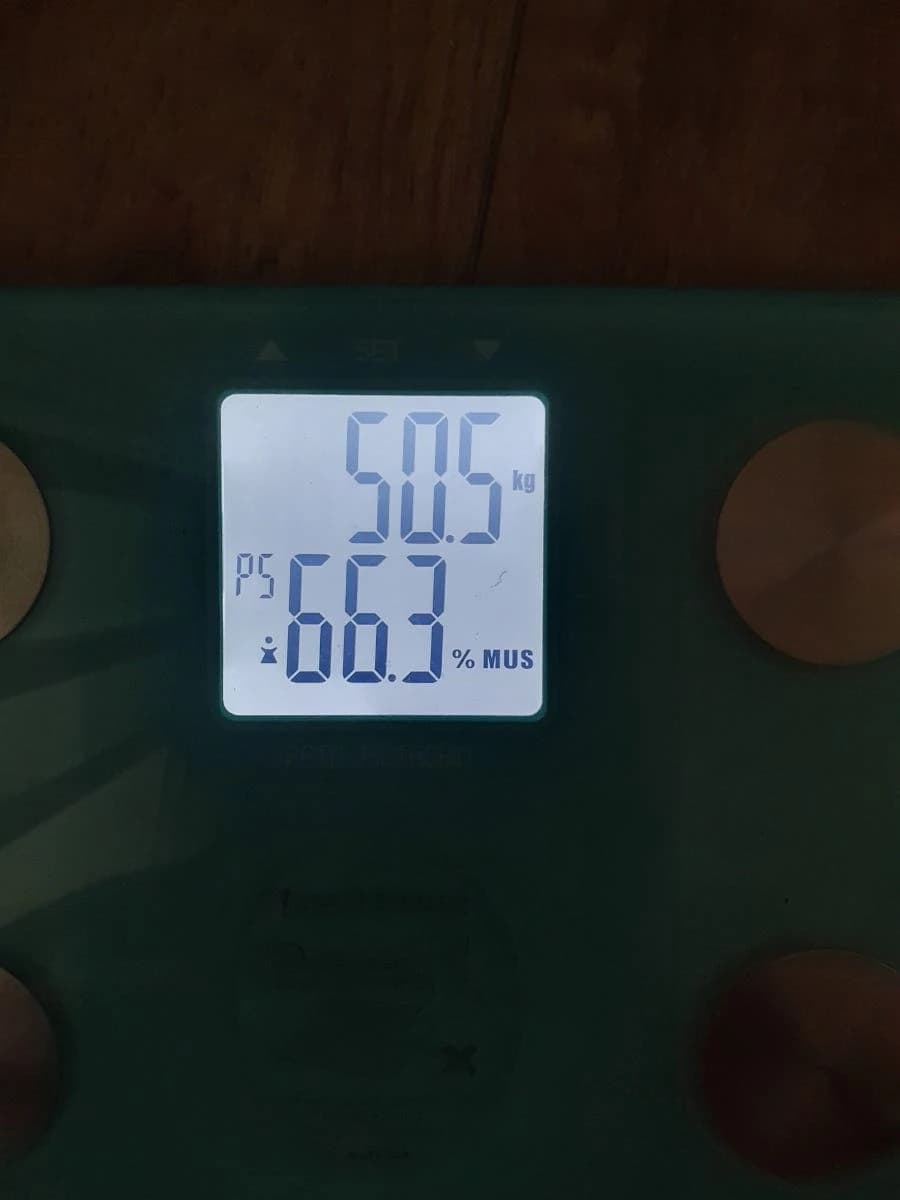
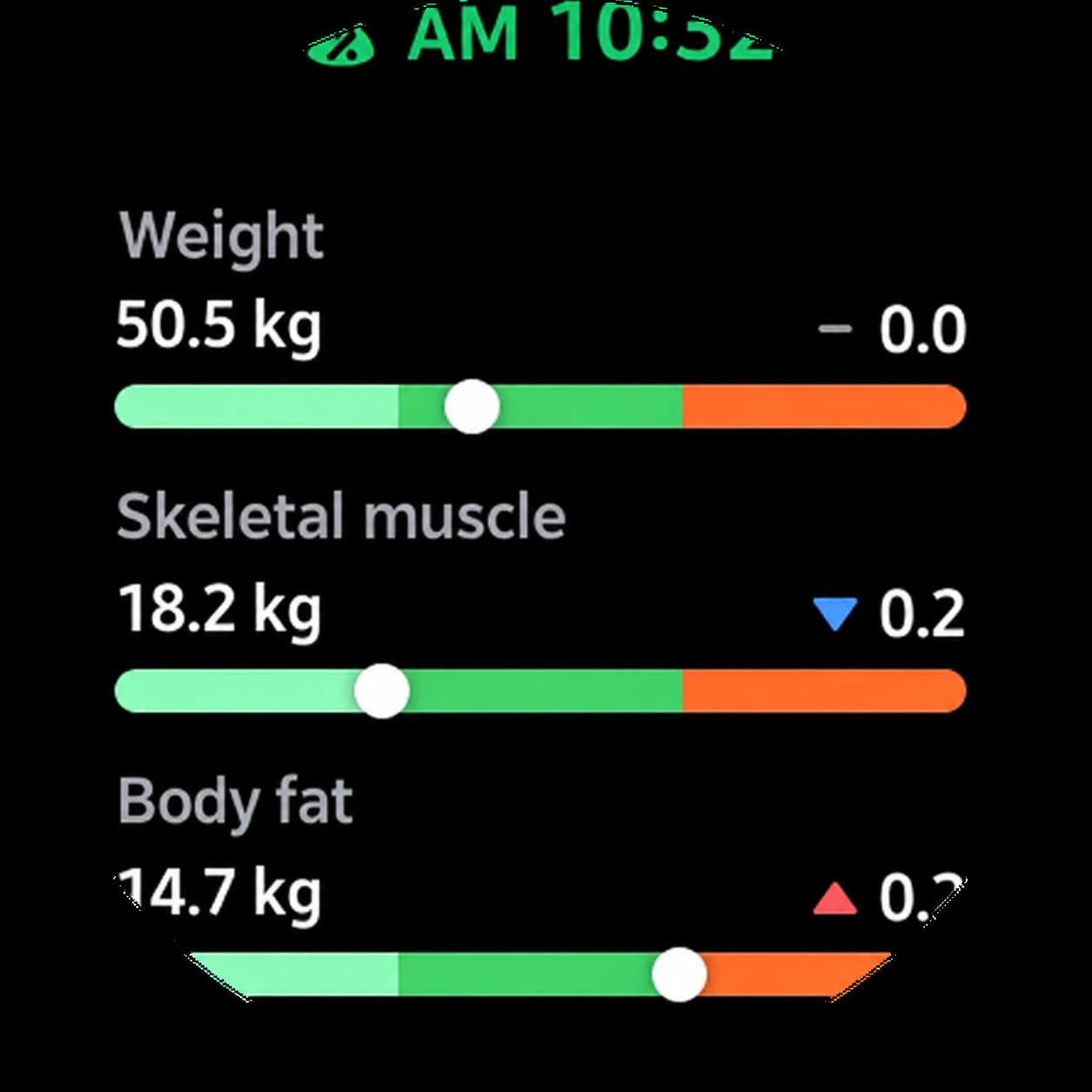
The Galaxy Watch4 body-composition estimate showed a little less muscle and slightly more fat. At the time, I attributed that to the carbohydrates. Then I went to morning Pilates.

New autumn-colored Andar leggings. Lovely. Recently, perhaps from using my trapezius during back exercises, I had frequent headaches and felt those muscles had grown a little. Morning exercise was mainly back and shoulder stretching with a little back training.
After about a month without consistent training, I wondered whether my core had weakened: headaches and shoulder pain were frequent. I had let my guard down because I had not gained much weight, but the pain was difficult. Time to exercise consistently again.
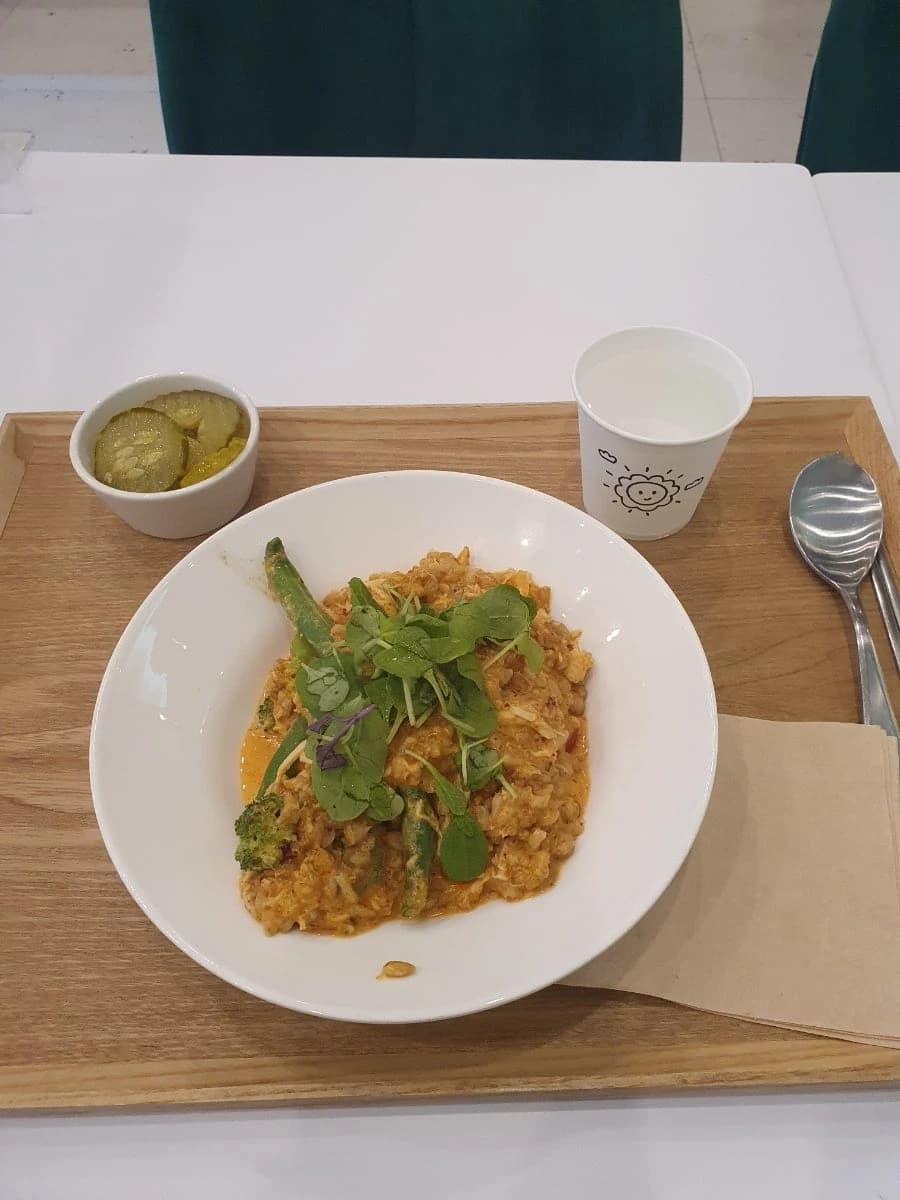
Chicken-breast Toowoomba risotto from Sweet Balance for lunch. I had enjoyed it before, but today it was just all right. I actually wanted malatang and resisted.
I drink about 2L of water. During the main weight-loss phase I drank 3L, but recently I have been too busy to keep up with that.
My personal goal was to prevent regain for two weeks, get below 49kg, and make my abs more defined. When hungry after lunch, I substituted protein powder in warm water.
To manage regain, I was maintaining food habits and exercising twice a week. It was not a strict plan: about 2–3 regular meals and one cheat meal per week, with Pilates twice weekly. To lower my weight further, I had added 40 minutes of cardio every day. By day three, after rising as high as 52kg, I had come down to 50.5kg.
The following ideas came from the book I was reading, whose title translates approximately as Losing Weight: Taking on the Yo-Yo Effect. They are the book's claims as recorded at the time, rather than a newly verified treatment guide.
Three eating-habit ideas for saying goodbye to regain:
- Address late-night eating. The book described night-eating syndrome as consuming at least 50% of daily calories after 6 p.m. It emphasized not skipping breakfast, going to bed early, and practicing avoiding late-night food for around three weeks, so that late-night ramen or chicken cravings became less persistent.
- Change a preference for foods that promote weight gain. The aging researcher Professor Byung Pal Yu was quoted as calling the tongue the body's gatekeeper. The passage discussed how taste preferences can make self-control harder and linked them with metabolic problems such as higher cholesterol and blood pressure. It proposed retraining those preferences. In my own experience, after two months of salad-centered meals, I found salty foods difficult: ramen my husband made tasted far saltier than it used to.
- Reduce large, irregular meals. The passage argued that eating only once or twice a day, or replacing meals with snacks and milk, could lead to large meals and a stretched stomach. It claimed long gaps reduced pulse and basal metabolism, while repeated fasting and overeating could impair blood-glucose regulation and increase carbohydrate intake and diabetes risk. It framed eating breakfast and reducing large meals as the first step. These physiological explanations and the assertion that one meal a day itself causes weight gain require medical review before being presented as general guidance.
Source: Original post on Dr. Hyemi Yu’s Naver blog (Korean)
The original publication date and the website revision date are shown separately.