
JOURNAL
Personal reflections on nutrition and resistance exercise
Personal reflections on nutrition and resistance exercise. Source observations, research context and limitations.
This article discusses the source author’s earlier literature, cases and experiences. Research populations and limitations matter; individual diagnosis and treatment require clinical assessment.
Movement, nutrition and recovery
The source considers exercise range, adequate food and rest. Greater range is not automatically appropriate when mobility, pain or an injury limits movement. Warm-up and technique should suit the individual.
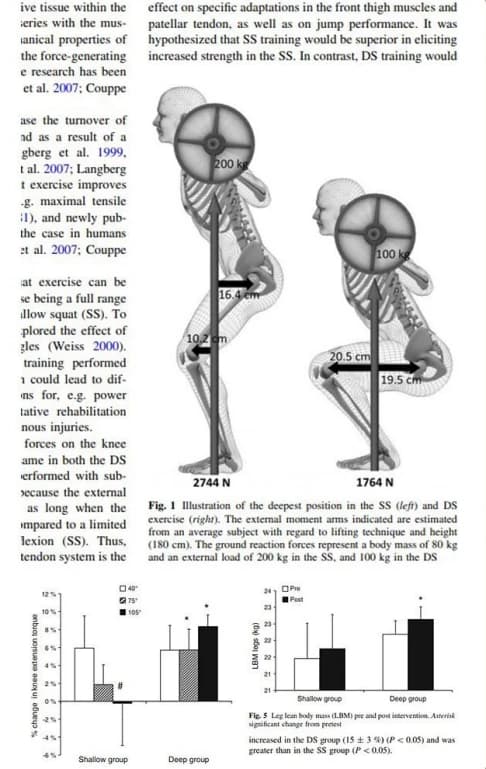
Source caption: a 12-week comparison of partial and full squats. Population and outcome details require original-paper verification before generalizing.
The author favors large-muscle activity and recounts personal squats and band use. Exact repetitions, knee position and band placement are not universal instructions. A movement should be adapted to anatomy, ability and pain.
Source exercise video: https://youtu.be/l9TY_16QBBU
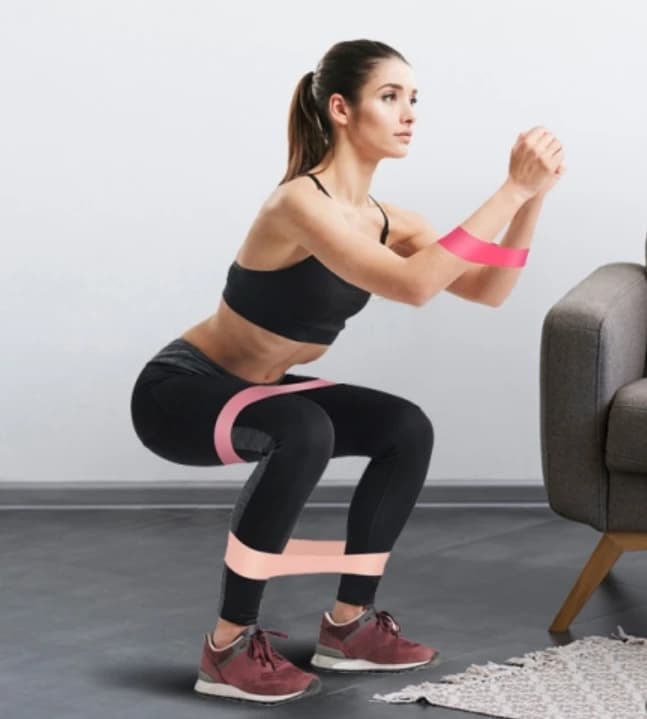
The author describes paying attention to the muscles being used and feedback from an instructor. Lack of a particular sensation does not prove that exercise was useless.
Nutrition
Adequate energy and protein support training. The source recalls less hunger while eating protein regularly during a ten-week diet. This is individual experience; feeling full does not establish nutritional adequacy or a universal leptin mechanism.
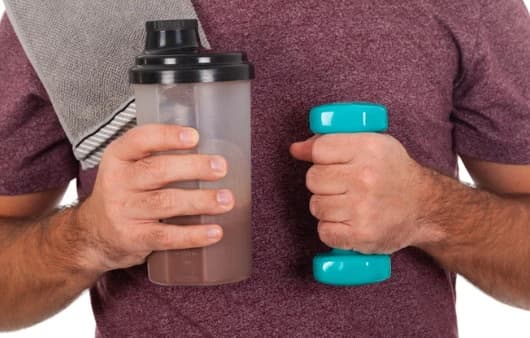
Protein shakes are an optional food, not a requirement. Ingredients, allergies, health conditions and total intake matter. The source cites a 2008 Nutrition & Metabolism study combining a supplement with three weekly exercise sessions over ten weeks, but the exact comparison and product need checking.
The author used shakes alongside foods such as eggs, meat and fish, and recalls dizziness and low energy after sharply reducing carbohydrates before a fitness shoot. Food color or a simple “good/bad carbohydrate” list cannot establish an appropriate diet. Weight change has multiple contributing factors; it is not always evidence of overeating.
Amounts and timing should fit the person, with rest considered alongside food and training. The source’s practical examples do not replace nutrition or exercise assessment.
Materials linked by the source
Source: Original post on Dr. Hyemi Yu’s Naver blog (Korean)
The original publication date and the website revision date are shown separately.