
JOURNAL
Conference notes on Radiesse and semaglutide
Conference notes on Radiesse and semaglutide. Source observations, research context and limitations.
This article discusses the source author’s earlier literature, cases and experiences. Research populations and limitations matter; individual diagnosis and treatment require clinical assessment.
Using a literary analogy from Pride and Prejudice, the author recalls initial reservations about Radiesse and Wegovy and a later change of perspective. A personal view is not evidence of comparative safety or efficacy.
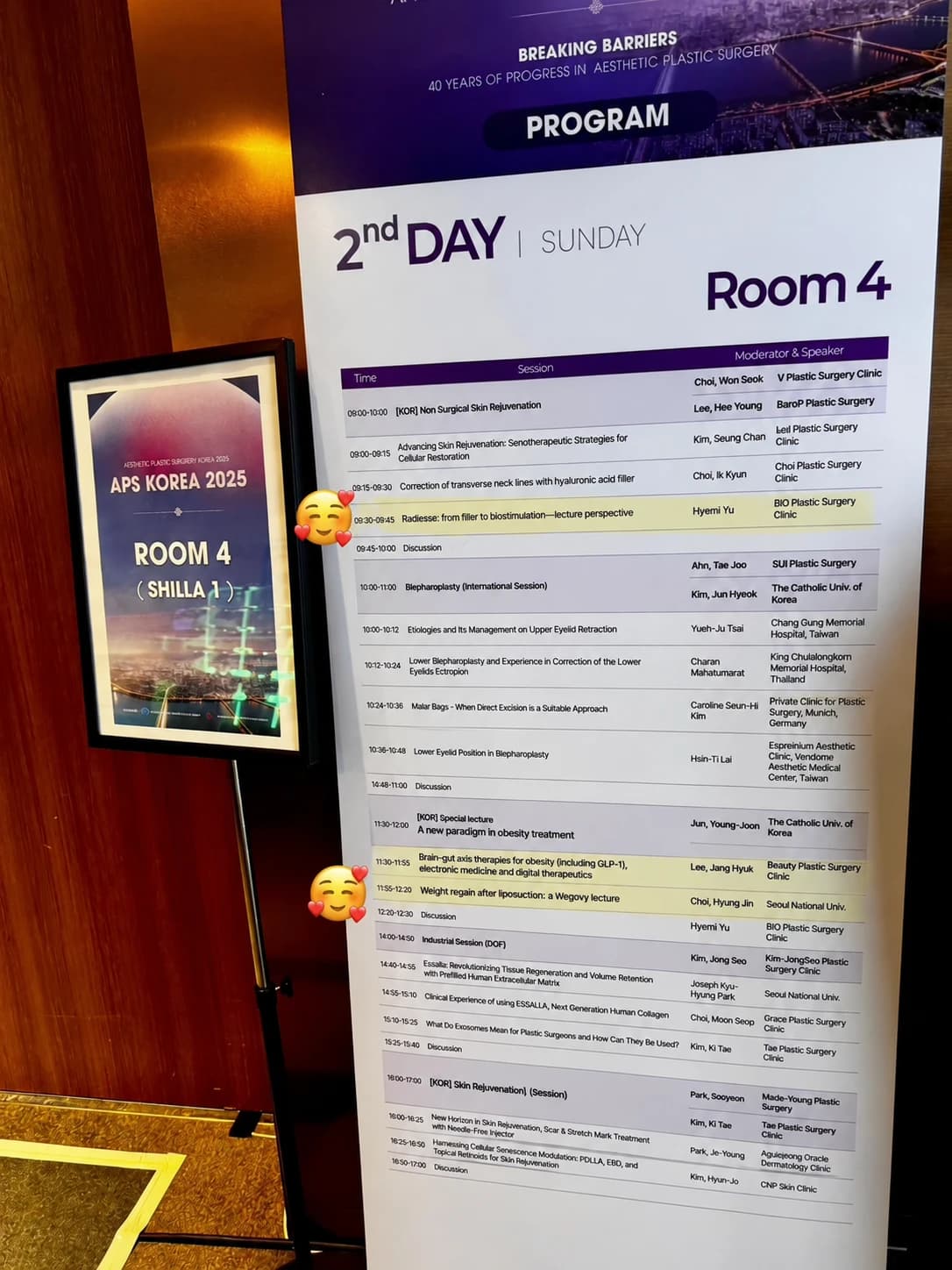
The source records two presentations at a Korean plastic-surgery meeting on 20 April 2025. The event and roles require confirmation.
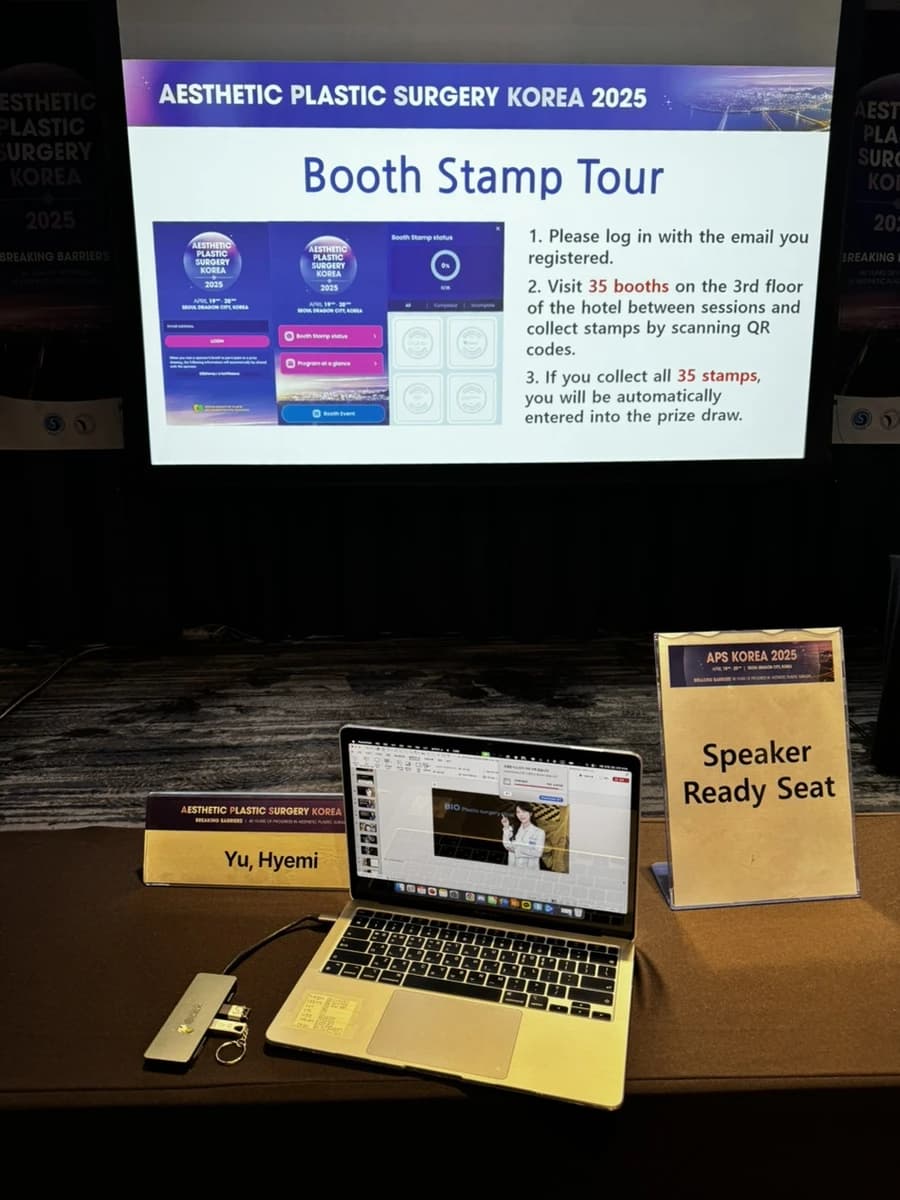
Source caption: arriving early to prepare a lecture.
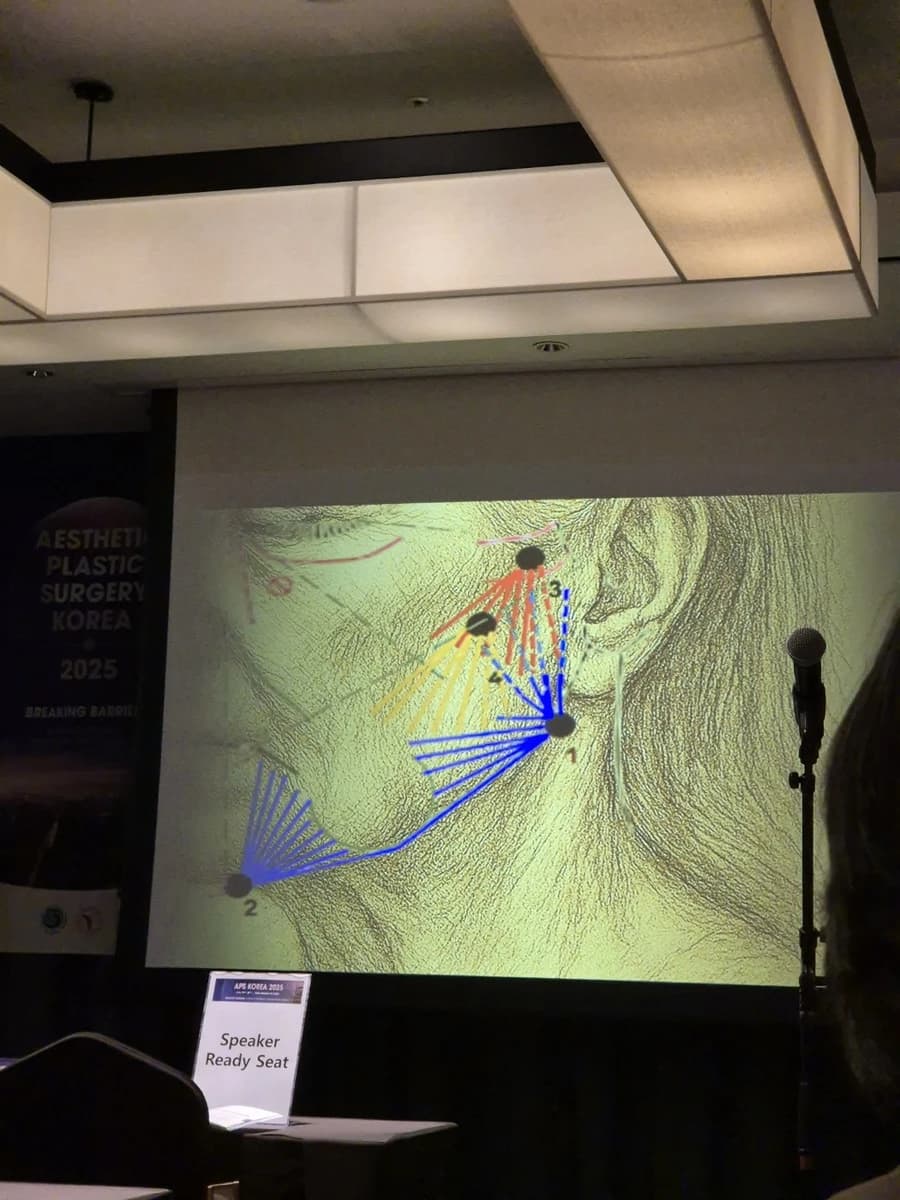
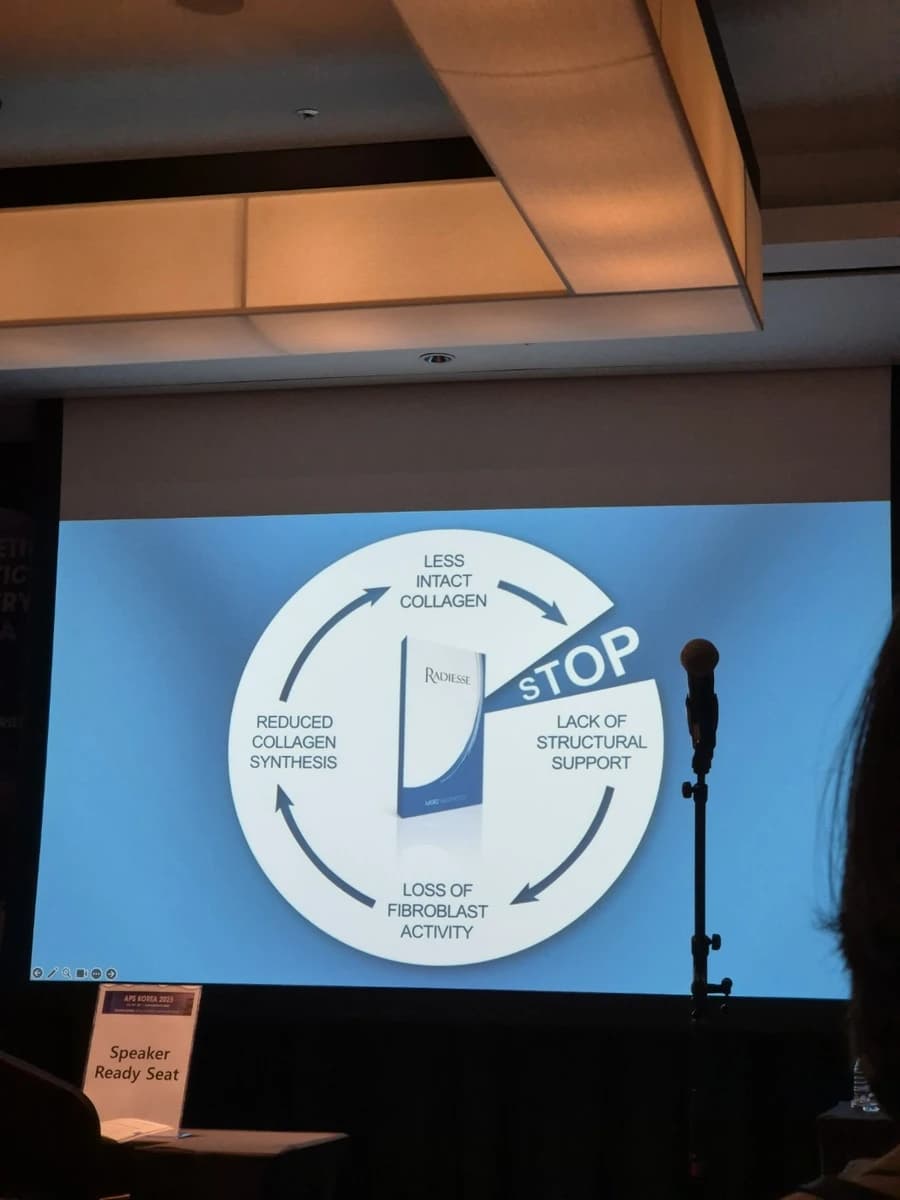
One presentation concerned CaHA and the author’s interest in scar and complication care. Audience feedback does not establish treatment outcomes.
Source caption: a lecture analogy using Leonardo da Vinci’s sfumato. It is not a validated injection instruction.
The other presentation discussed weight change after liposuction and drew on two papers that require exact identification.
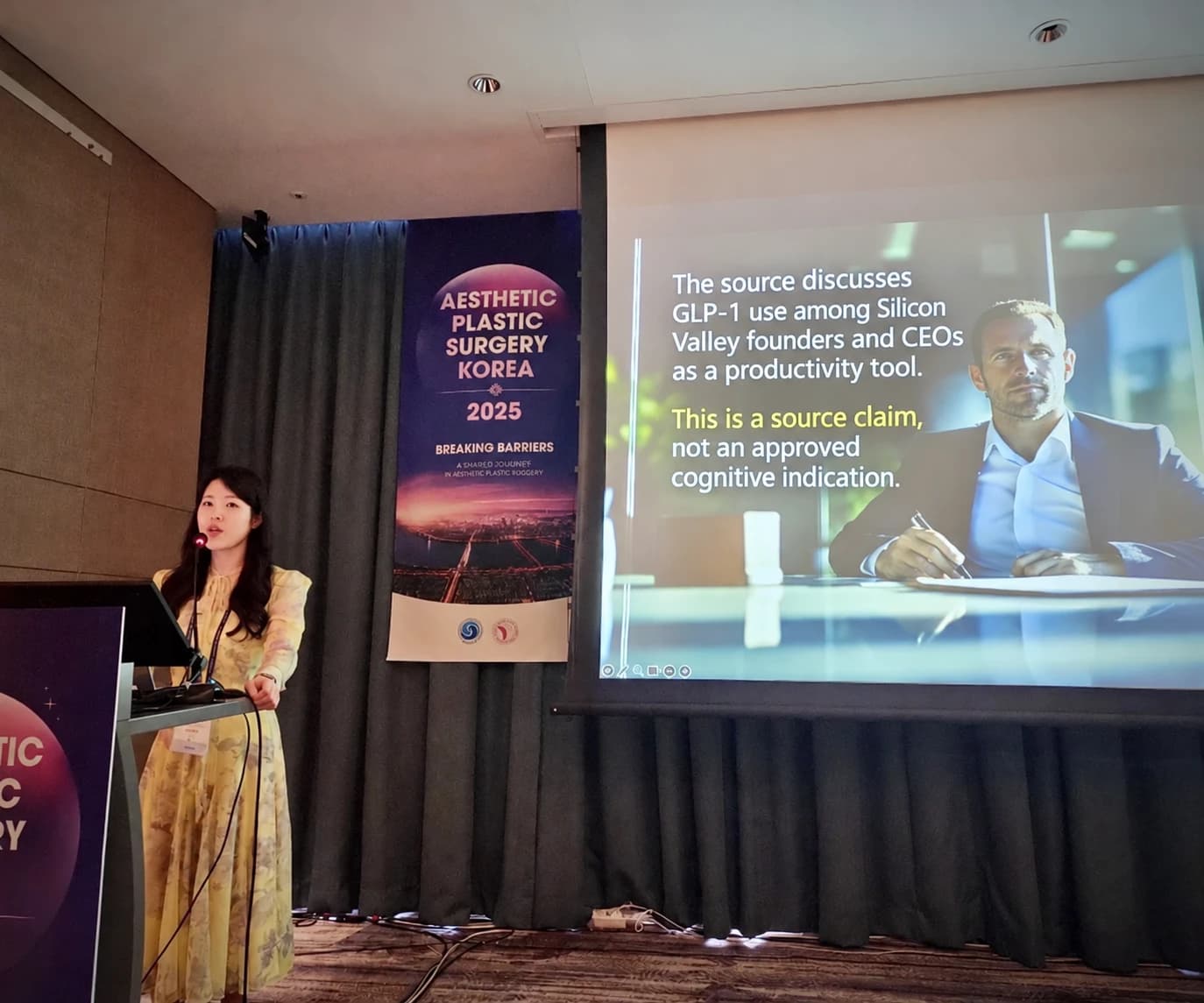
The source considers appetite signals, regain and habits, then describes selected patients whose appetite, muscle or hair changed during treatment. These observations cannot establish semaglutide as hair-loss treatment or guarantee muscle preservation. Natural course, nutrition and other interventions must be considered. The author also recalls meeting an academic colleague; professional authority is not a substitute for clinical evidence.
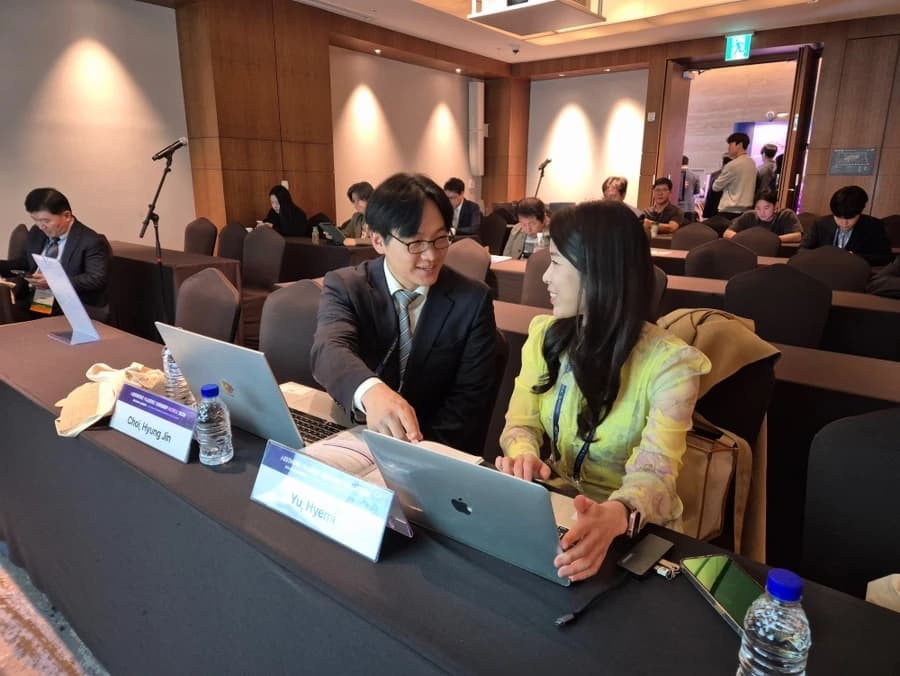
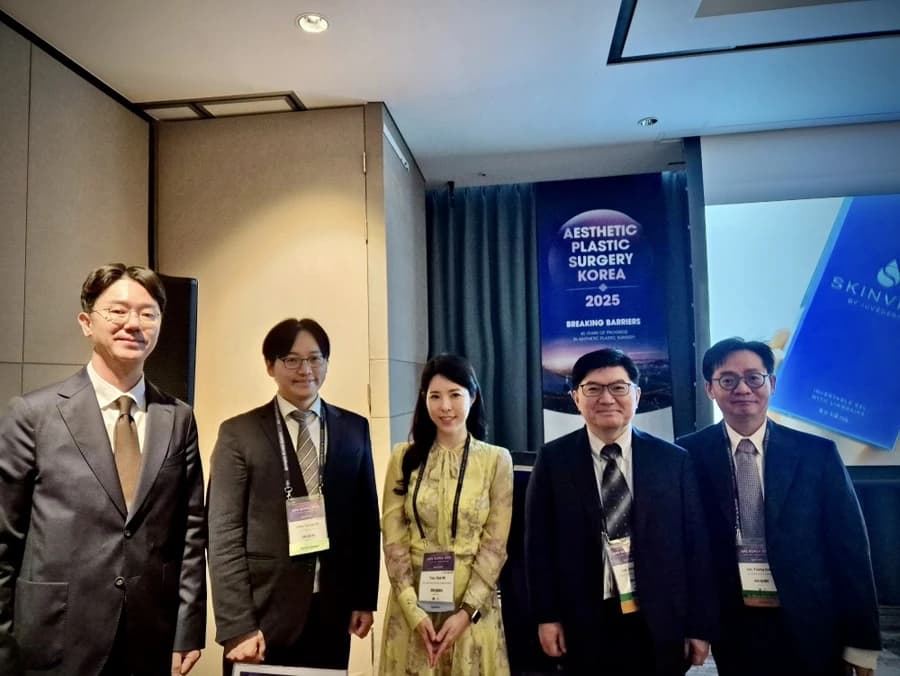
The source recounts a conversation about appetite and reward pathways and another meeting with a senior surgeon. Describing the medicine as a brain treatment does not establish treatment for addiction, impulsivity or depression, and no such service is implied.
Source caption: the author with academic colleagues during the lecture event. Names, titles and portrait-use permission require confirmation.
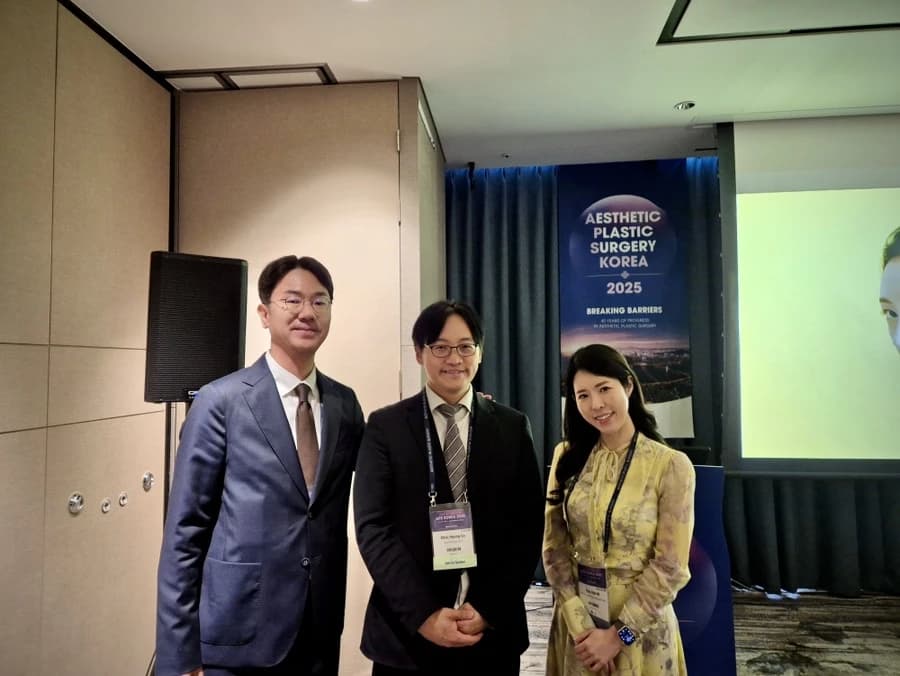
The author recalls encouragement from colleagues and questions from a younger physician, then expresses hope for stable conditions for patient care. The closing reflection emphasizes study and responsibility; it is not proof that personal trust in a treatment establishes its benefit.
Source: Original post on Dr. Hyemi Yu’s Naver blog (Korean)
The original publication date and the website revision date are shown separately.