
JOURNAL
Shared checklist on exercise, sleep and nutrition
Shared checklist on exercise, sleep and nutrition. A historical record preserving source context, experiences and references.
This is a historical record of the source author’s experiences, reflections or shared material. Former affiliations, events and products refer to that time and are not current 1PM Clinic services or sales information. Medical claims, individual outcomes and republication rights await clinic review; benefit and safety are not guaranteed.
Many people plan to lose weight at the beginning of a new year.
By now, some may have found that their resolve lasted only a few days, and may be planning a fresh start on 1 March, when the school year begins in Korea. Employees also often renew their resolve around a new performance-review season.
External material linked in the source
Previously, I discussed Jachung’s principles for weight management and my own experience. That discussion focused on building habits. Today, I have brought together points that may be useful when considering how to approach weight management.
Watch the source video — original Korean audio
- Drink 3 liters of water a day — a claim in the shared source


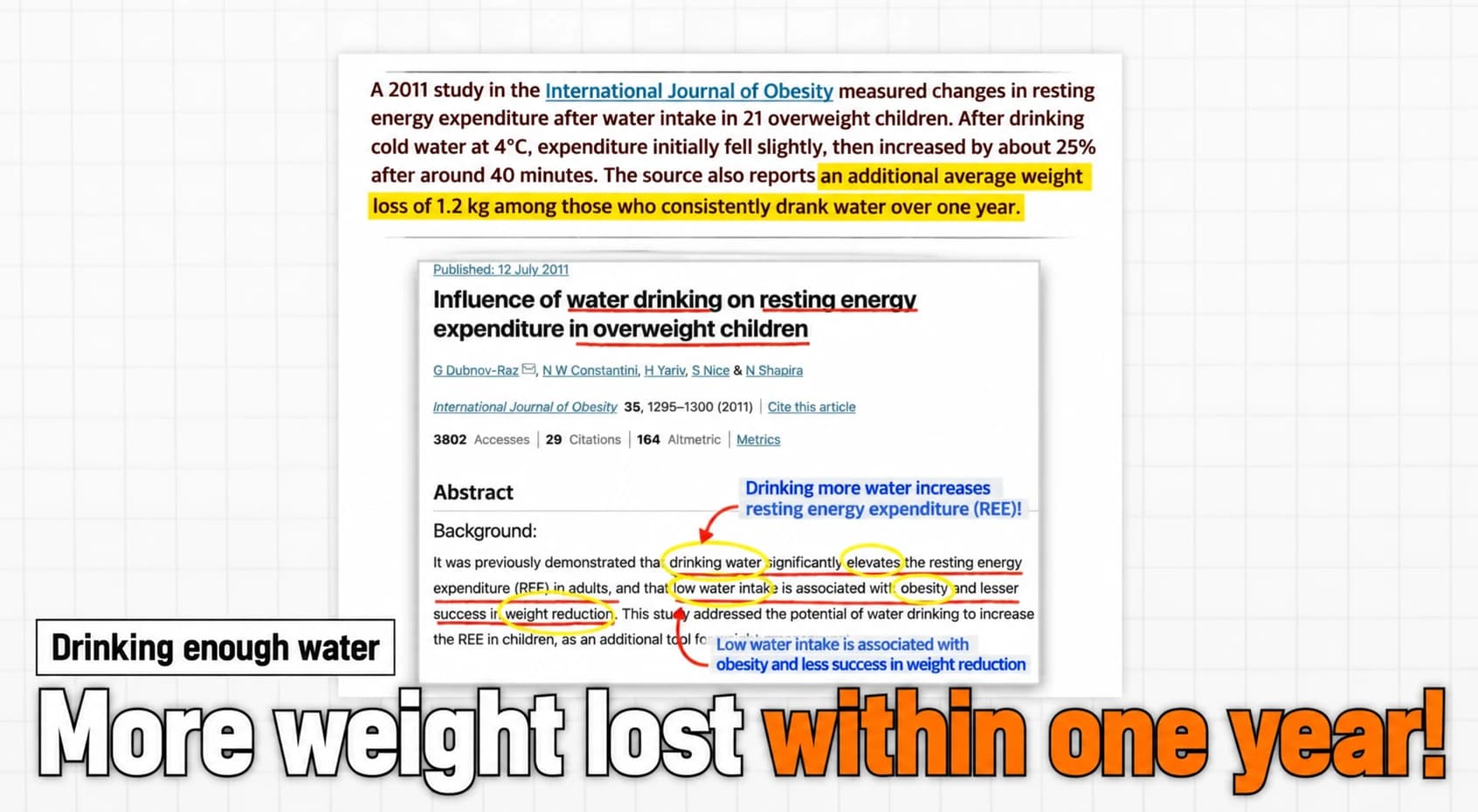
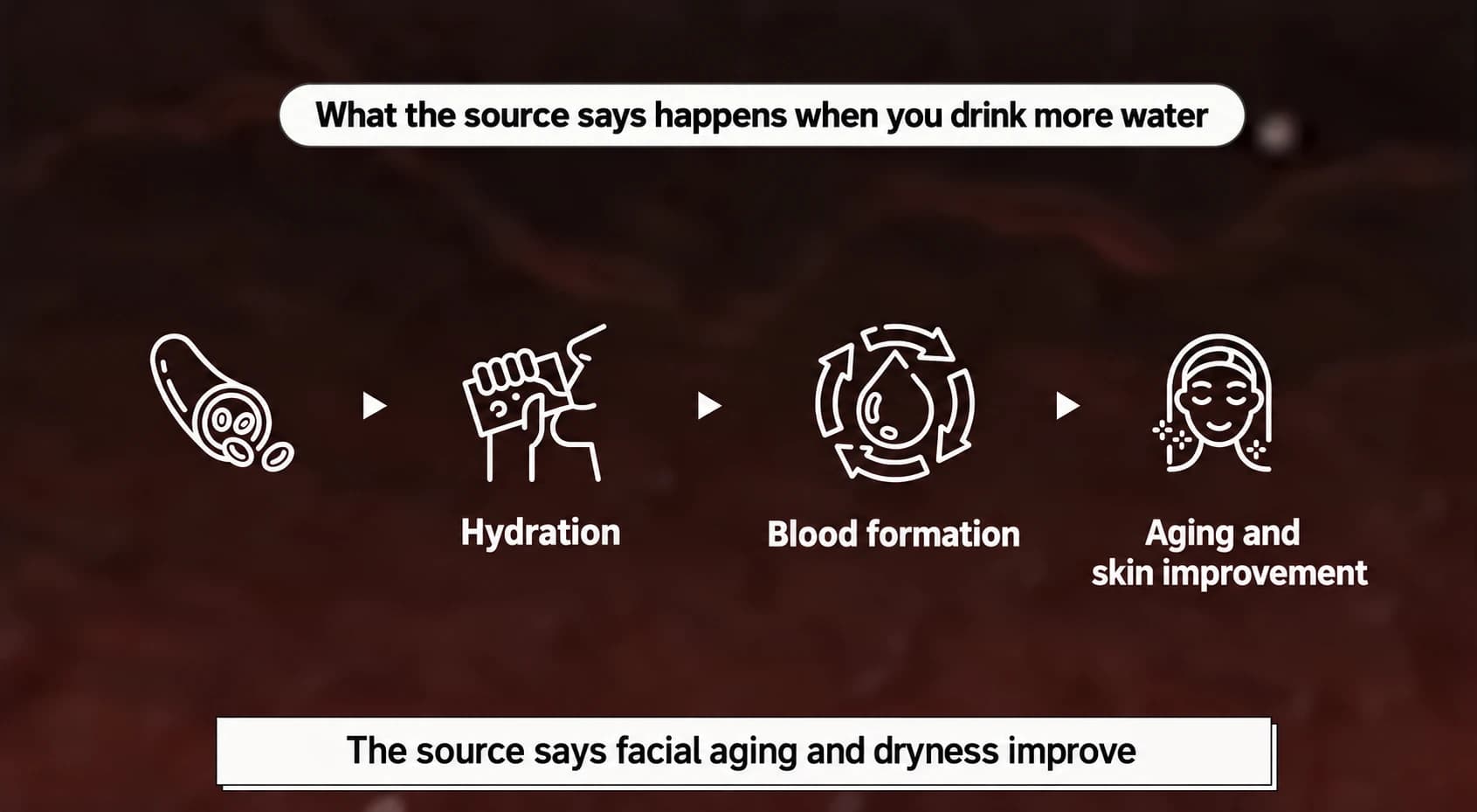
The shared writer recalls the debate about drinking plenty of water. A few years earlier, drinking 2 L a day was popular. The writer remembers later hearing that it merely burdened the stomach and was not helpful, and subsequently drank less water.
The video offers several arguments for drinking more water. The writer found the discussion more credible because a physician referred to papers. These are the shared writer’s impressions, not verification of a universal 3-liter target.
- Vitamin C instead of fruit — a claim in the shared source




The shared source describes fruit in the morning as a blood-glucose “spike” risk and argues for high-dose vitamin C during weight loss.
The writer says that many people have heard that fruit raises glucose and that recommendations for supplements have become more common. The video recommends high-dose supplements to supply vitamin C when fruit intake is reduced. This preserves the source’s claim; it does not establish that fruit should be replaced or that high doses are appropriate for every reader.
- Forty minutes of aerobic exercise — the duration discussed in the source

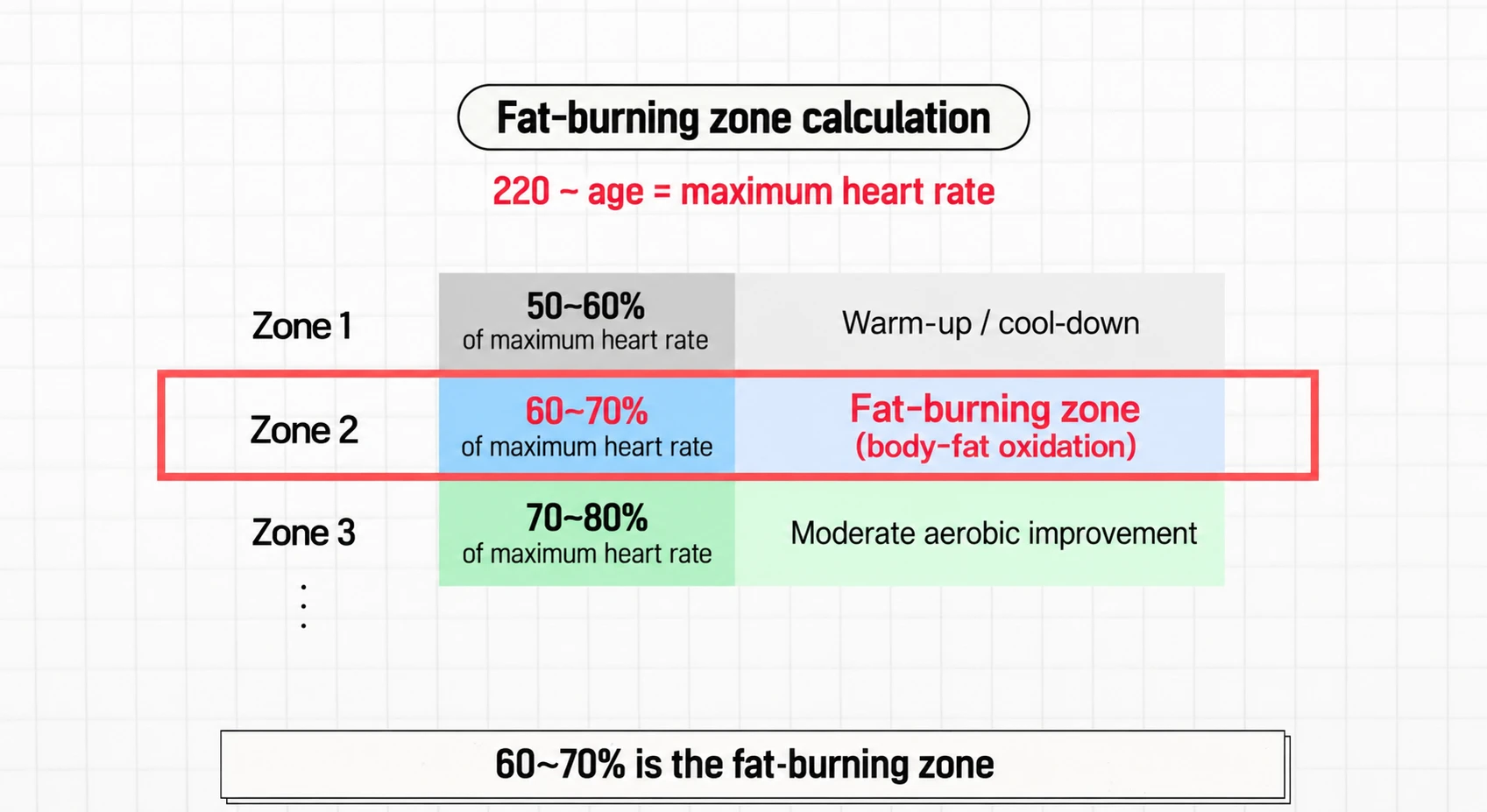

Aerobic exercise is a familiar part of weight-management advice, but the writer had not heard a clear duration and had used the treadmill’s default of 30 minutes.
The shared account describes a supposed period when fat burning increases substantially, at roughly 40 minutes. That is the source’s explanation, rather than a verified threshold applying to everyone.
- Resistance exercise





This is another familiar topic. The source contrasts aerobic exercise, which uses energy during activity, with resistance exercise, which it says increases basal metabolism through muscle.
The writer describes doing push-ups after running in an attempt to increase muscle mass.

The writer believes consistent activity, even in small amounts, can increase basal metabolism. The source therefore mentions accessible activities such as push-ups, Pilates and planks rather than relying only on exercise machines.
- Sleep from 00:00 to 07:00 — the schedule in the source



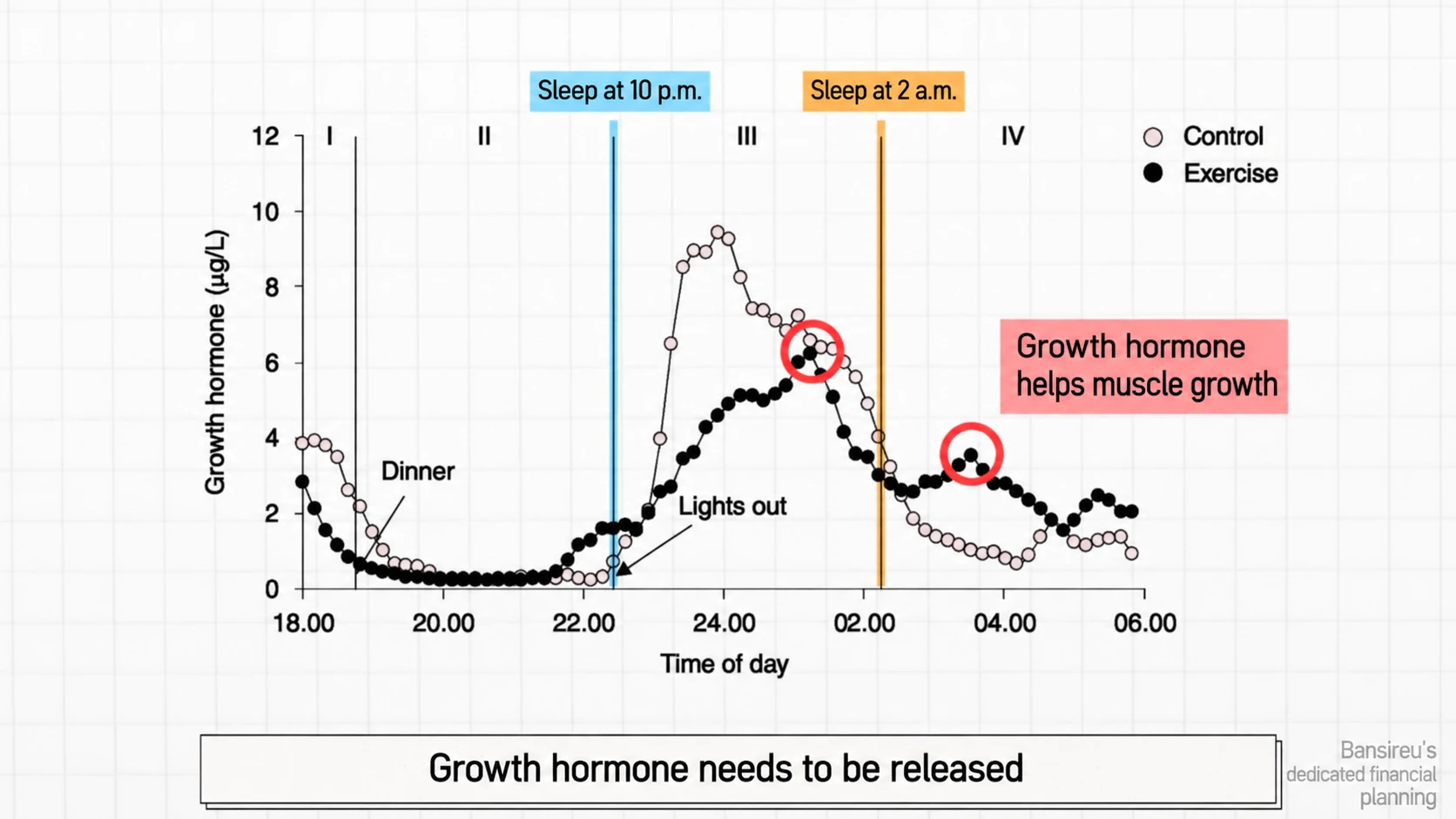
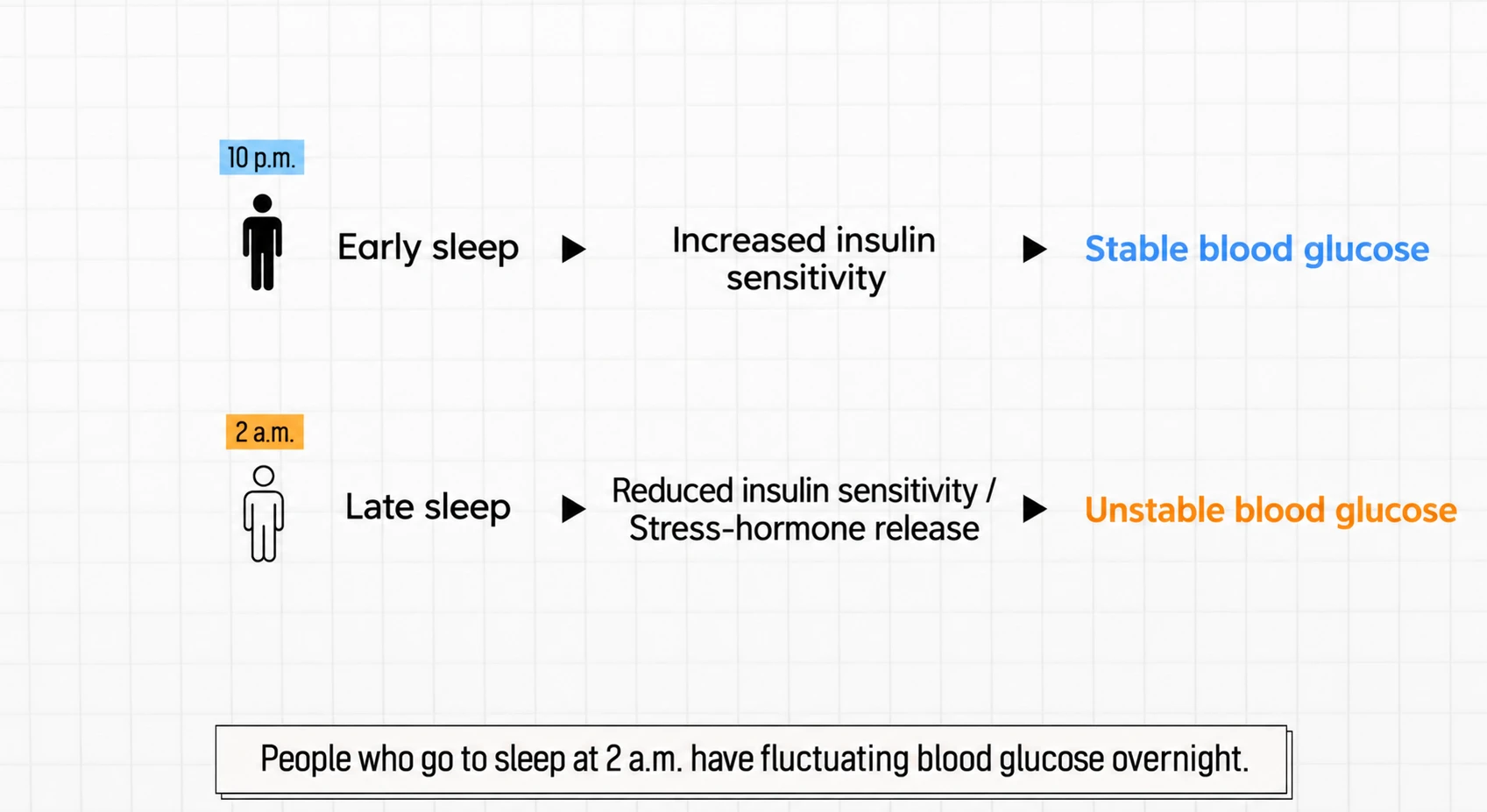
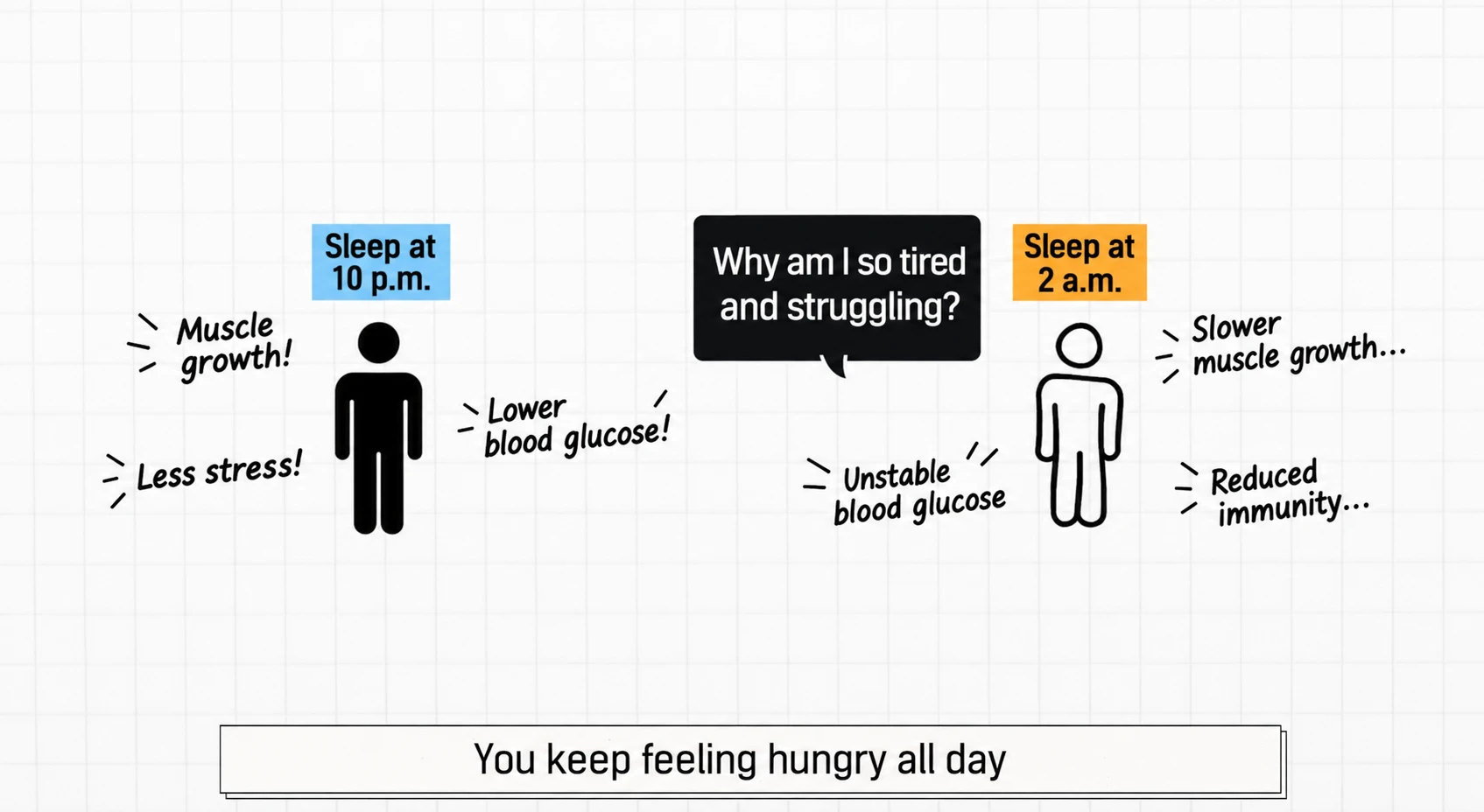
The writer found the discussion of earlier sleep particularly surprising. The source says earlier sleep may support both long-term memory and weight management.
It attributes this to growth-hormone secretion between 11 p.m. and 3 a.m., and suggests that being asleep then helps build muscle. The writer concludes that sacrificing sleep may be unhelpful for both mental rest and muscles. The stated clock-time explanation requires medical review and is not a personalized sleep prescription.
The shared source summarizes the discussion as follows.
| Shared checklist | Details recorded in the source | | --- | --- | | Water | 3 liters a day | | Vitamin C instead of fruit | Morning fruit described as a glucose risk; high-dose vitamin C proposed during weight management | | Aerobic exercise | 40 minutes | | Resistance exercise | Building muscle and increasing basal metabolism | | Sleep | 00:00–07:00; growth hormone described as being secreted from 11 p.m. to 3 a.m. and supporting muscle and basal metabolism |
These are the historical checklist’s claims, with their original numbers retained for review.
The writer considers the recommendations somewhat credible because a practicing physician reviewed papers and developed personal methods, while explicitly recognizing that they cannot be called 100% correct and remain claims.
The writer finds seven hours of sleep the hardest task: there are many things to do, and it is difficult to make time for sleep. How to apply the discussion remains a personal question.

Migration review note: The cited 2011 study measured energy expenditure for 66 minutes after water intake in 21 overweight children. Its approximately 1.2 kg/year figure was an energy-equivalent estimate, not observed weight loss in a one-year trial. It does not establish an adult 3-liter target or a long-term weight-loss effect. Original paper
Source: Original post on Dr. Hyemi Yu’s Naver blog (Korean)
The original publication date and the website revision date are shown separately.