
JOURNAL
Sleep and muscle recovery: interpreting research
Sleep and muscle recovery: interpreting research. Source observations, research context and limitations.
This article discusses the source author’s earlier literature, cases and experiences. Research populations and limitations matter; individual diagnosis and treatment require clinical assessment.
The author recalls fatigue, pain and difficulty recovering after exercise in midlife, followed by feeling better when food and sleep changed during preparation for a fitness photograph. This is a personal sequence, not proof that one habit cured symptoms. The article asks how sleep relates to recovery.
Melatonin and the limits of an animal study
The source discusses a 2012 Journal of Pineal Research study in rats with spinal cord injury, comparing constant light with a 12-hour light–dark cycle and melatonin conditions. It reports motor-function differences of approximately 1.2–1.5-fold. This is not a study of ordinary muscle growth in healthy people. A fixed 10pm–2am bedtime is not universal.
| Source animal-study score | No administered melatonin | Administered melatonin | | --- | --- | --- | | Constant light | 6.4 | 7.9 | | 12-hour light–dark cycle | 10 | 11.36 |
These source figures need original-paper comparison and are not human sleep targets.
Growth hormone
The source connects sleep and growth-hormone secretion and quotes relative increases of two to three times and four to five times during deep sleep. The exact contexts need checking. It discusses a celebrity’s reported use as an anecdote; this is not a recommendation for hormone injections or proof of a safe anti-aging effect. The animal melatonin study does not justify supplementation for muscle growth.
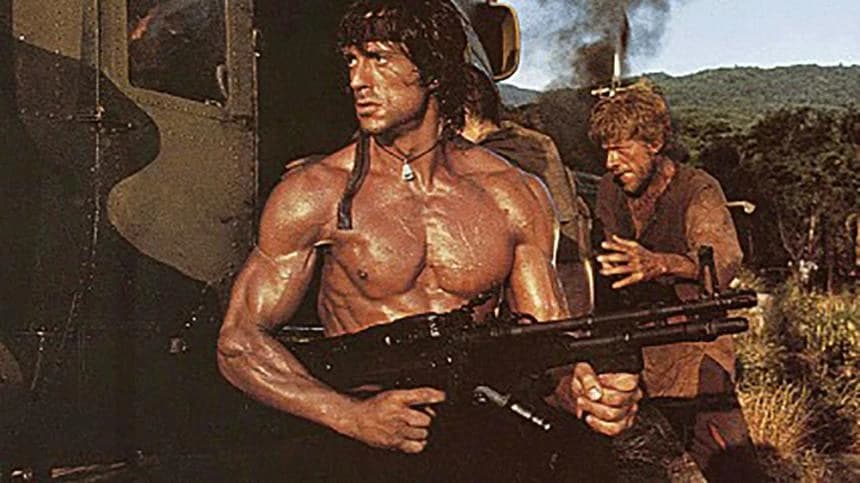
The source refers to a later film appearance by the same actor. Appearance is not evidence of efficacy or safety.

The source recounts an incident involving growth hormone and cites age-related secretion estimates. These historical details and quotations need verification and are not a clinical comparison.
Cortisol
The source discusses stress, recovery and protein turnover using a savings-account analogy. Cortisol has multiple normal functions; cramps or pain cannot simply be diagnosed as poor circulation caused by cortisol.
Insulin
Sleep restriction can affect metabolism. Reduced insulin sensitivity means a lower tissue response at a given insulin concentration, not simply less insulin secretion. Glycogen, energy availability and fatigue involve several processes.
Testosterone
The source describes a 2011 study of ten young men with different sleep conditions, including roughly ten hours versus five hours, and a 10–15% difference discussed in the original. Sample size, protocol and direction of the comparison need review. It does not prove how much muscle an individual will gain.
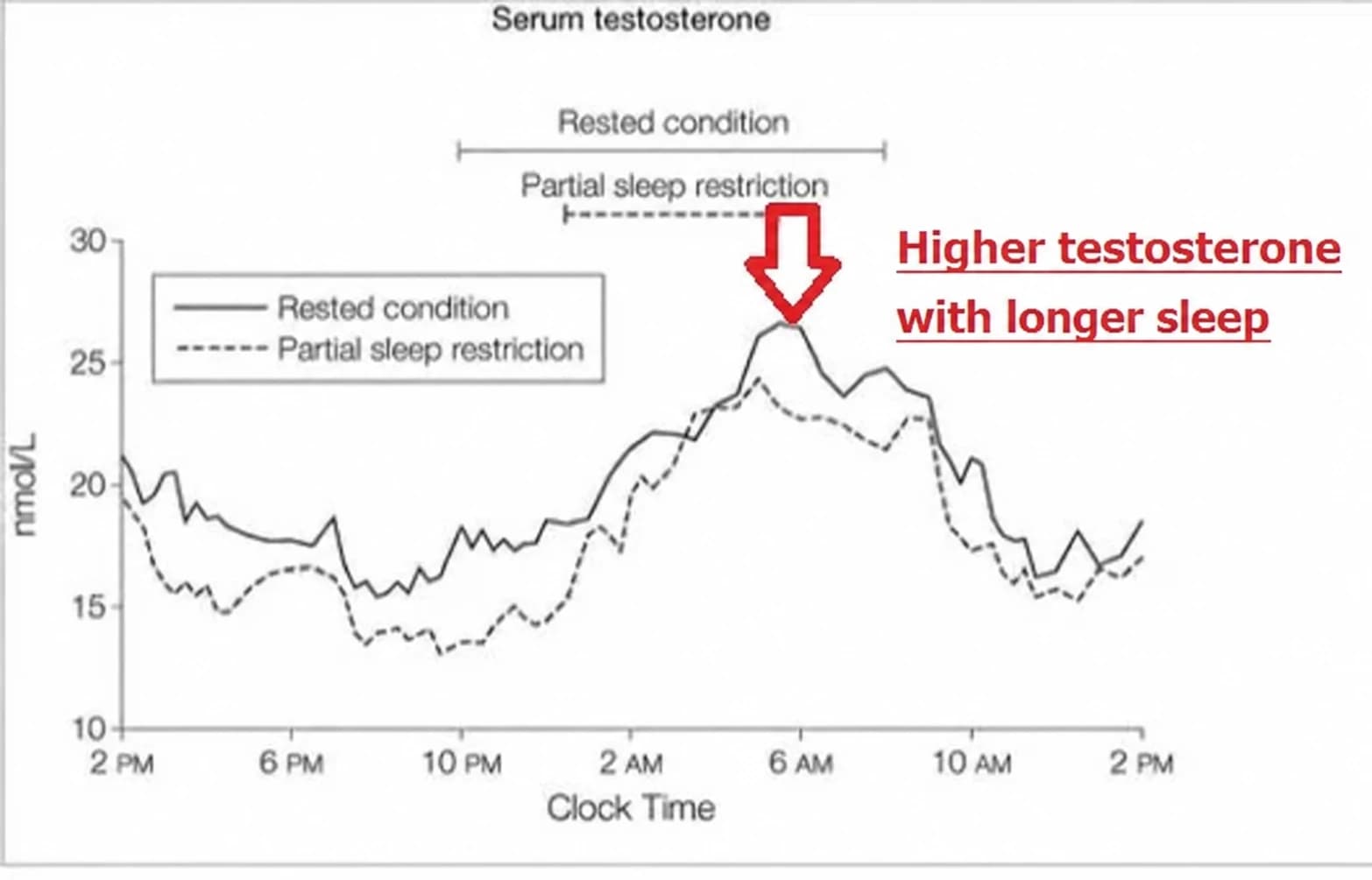
The source compares a hormone change with years of aging. That is a metaphor rather than a measured biological-age result. A small study in young men does not establish that everyone should sleep ten hours or that longer sleep always produces more muscle.
The original closes with a Napoleon anecdote and a reflection on valuing sleep. Historical height or sleep stories do not establish causation. Sleep is part of health and recovery, but it does not guarantee weight loss, muscle growth or resolution of persistent pain.
Source: Original post on Dr. Hyemi Yu’s Naver blog (Korean)
The original publication date and the website revision date are shown separately.